50+ self-discipline examples & routines for success in 2026
Looking for real self-discipline examples and routines? Discover 50+ practical ways successful people stay disciplined in life, business, and health.

Self-discipline is the ultimate superpower. It’s what separates the top 1% from everyone else.
The problem?
Most people chase motivation. But motivation is unreliable, it fades, and when it does, they stop showing up.
That’s where self-discipline comes in. It keeps you locked in, even when you don’t feel like it.
It’s not about how you feel. It’s about what you do.
In this in-depth guide, you’ll discover 50+ real-world self-discipline examples, habits, discipline routines, and mindsets used by the most successful people.
These aren’t just some random discipline tips; they’re battle-tested strategies backed by science and experience.
Pick a starting point. Build from there. The results will follow.
Let’s dive right in.
What is self-discipline?
Self-discipline is the ability to stay consistent with your goals. It’s doing what needs to be done, even when you don’t feel like it.
Unlike motivation, which comes and goes, self-discipline keeps you on track. It helps you avoid distractions, make better decisions, and follow through on commitment, regardless of your mood.
As Samuel Thomas Davies puts it:
Self-discipline is about leaning into resistance. Taking action in spite of how you feel. Living life by design, not by default.
But discipline isn’t about punishment, it’s self-respect.
As Will Smith once said:
Will Smith
@willsmith
Self-discipline is self-love. It’s choosing to do what’s best for you, even when it’s hard. It’s saying: ‘I love myself too much to eat that junk food, skip that workout, or waste my potential.’
This clip perfectly explains why self-discipline is really self-love:
The most successful people rely on discipline, not motivation.
They don’t wait to “feel like it”, they have systems that keep them focused and consistent.
- It’s not about forcing yourself: it’s about setting up systems that make success automatic.
- It’s not about perfection: it’s about consistency.
- It’s not just about working harder: it’s about working smarter.
Most people think discipline is just about one thing, fitness, work, or waking up early. But real discipline isn’t about one habit. It’s about how you show up in every area of life. Health, mindset, habits, decisions, it all matters. That’s how you build something that lasts. That’s how you truly win at life and create the kind of wealth money can’t buy.
And this is what I’ve built my NM5D system around, a simple but powerful structure for making discipline a daily habit. We’ll cover more on that later.
Disciplined people don’t wait for inspiration. They act anyway. They choose long-term success over short-term comfort.
Simply put, self-discipline is what turns goals into results. It’s the difference between dreaming about success and actually achieving it.
Why is self-discipline important?
Without self-discipline, you stay stuck. You procrastinate. You set big goals but never follow through when things get hard.
With self-discipline, everything changes.
- It builds consistency 🔥: Small daily actions compound into big results.
- It sharpens focus 🧘♂️: You avoid distractions and lock in on what matters.
- It strengthens willpower 🧠: The more you push yourself, the easier it gets.
- It improves productivity ⚡: You get more done in less time.
- It separates top performers from everyone else 🏆: The most successful people rely on systems, not motivation.
And the best part?
Self-discipline is a skill. Anyone can develop it.
In the next section, we’ll break down 50+ real self-discipline examples and routines used by some of the world’s most successful people, so you can apply them to your own life.
50+ self-discipline examples & routines
Self-discipline isn’t something you’re born with, it’s built through daily actions. The more you practice, the stronger it gets.
Below, you’ll find 50+ real-world examples of self-discipline in action, covering health, business, focus, and more.
These are the same habits used by top performers to stay consistent and push through challenges.
Each section starts with a key routine that reinforces discipline, followed by specific habits you can apply today.
📅 Daily habits & routines for self-discipline
Self-discipline isn’t about willpower. It’s about building habits that make discipline automatic. The more you repeat these habits, the easier they become.
Successful people don’t rely on motivation. They create systems that remove friction, reduce decision fatigue, and keep them on track, no matter how they feel.
Here are some of the best daily routines to strengthen self-discipline.
📌 Planning the next day the night before
The most productive people don’t wake up and “wing it.” They plan their day the night before so they can start with clarity and focus.
Why It works:
- Reduces decision fatigue: You don’t waste mental energy figuring out what to do next.
- Boosts focus: You wake up knowing your top priorities.
- Eliminates morning distractions: No scrolling or procrastinating first thing in the morning.
How I use this:
Every night, I write down my top priorities for the next day. I focus on high-impact work first, whether it’s content creation, workouts, or business strategy. This keeps me from wasting time figuring out what to do in the morning.
Example from a sucucessful creator:
Ali Abdaal, a YouTuber and entrepreneur, calls this “closing open loops.” Before bed, he brain-dumps his next steps so his mind is clear and ready to execute the next day.
I value self-discipline, but creating systems that make it next to impossible to misbehave is more reliable than self-control.
Discipline starts the night before. Plan tomorrow today, and you’ll wake up with clarity, not chaos.
You have to remind yourself of what you’re capable of, ’cause other people will sure not remind you of that.
You posses the power to CHANGE your life, use it! Take control of your circumstances and build the life YOU want.
😴 Following a set sleep schedule
Successful people don’t just focus on how much they work, they also optimize how well they recover.
A disciplined sleep schedule is one of the most underrated success habits and self-discipline routines.
Why it works:
- Boosts energy & focus: Quality sleep improves brain function, memory, and decision-making.
- Regulates discipline: A set schedule makes it easier to wake up early and start the day strong.
- Reduces burnout: Proper rest keeps your performance high over the long run.
How I use this:
I aim for 7–8 hours of sleep and stick to a consistent bedtime, even when traveling. I avoid screens before bed, wind down with reading or journaling, and wake up at the same time daily. This keeps my energy high and my mind sharp.
Example from a Successful Creator:
Matt D’Avella, a filmmaker and very popular productivity YouTuber, swears by a strict sleep schedule. He prioritizes sleep over late-night work, knowing that consistency leads to better creativity and focus.
Discipline isn’t just about grinding harder, it’s about recovering smarter. A strong morning starts with a consistent night routine.
Sleep is the single most effective thing we can do to reset our brain and body health each day.
🧠 Scheduling deep work blocks
The most productive people don’t rely on multitasking, they set aside dedicated blocks of time for deep, focused work.
Why it works:
- Eliminates distractions: No phone, no notifications, no context switching.
- Maximizes productivity: Focused work is higher quality work.
- Creates momentum: Deep work leads to better problem-solving and creativity.
How I use this:
I schedule deep work sessions every morning when my energy is highest.
No notifications, no distractions, just focused time for writing, content creation, and strategy.
This is when I do my most important work.
Example from a successful creator:
Cal Newport, bestselling author of Deep Work, blocks out time for distraction-free focus every day. He believes that:
To produce at your peak level you need to work for extended periods with full concentration on a single task free from distraction.
Action steps:
- Block out 90-120 minutes for deep work in your calendar.
- Turn off notifications, put your phone on airplane mode, and use website blockers.
- Work on a single high-impact task without interruptions.
If you want extraordinary results, you can’t let distractions run your day. Deep work is how you get ahead.
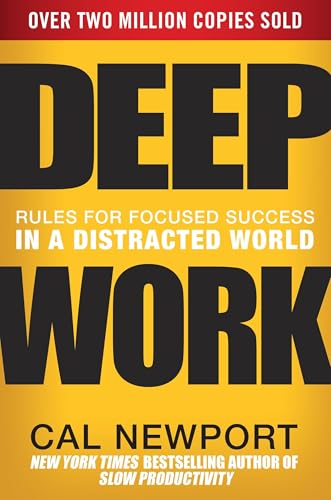
Deep Work
by Cal Newport
Deep Work af Cal Newport lærer dig at fokusere uden distraktioner, mestre dit håndværk og skabe arbejde af høj kvalitet på kortere tid.
I may earn a commission if you make a purchase, at no additional cost to you.
Your morning routine isn’t about motivation, it’s about setting the tone for the day before the world pulls you in every direction.
⏳ Using the 2-minute rule
Procrastination kills momentum.
The 2-Minute Rule, popularized by David Allen in [Getting Things Done](https://www.amazon.com/Getting-Things-Done-Stress-Free-Productivity/dp/0143126563?tag=navimoaz-20&ref_=as_li_ss_tl&linkCode=sl1&linkId=3f3fac03c4464d08e395df8dac329909), helps you take immediate action instead of overthinking.
Why it works:
- Eliminates resistance: Small actions feel easy, making it harder to delay.
- Builds momentum: Once you start, you’re more likely to keep going.
- Reduces mental clutter: Quick tasks don’t pile up and become overwhelming.
How I use this:
I apply the 2-Minute Rule daily. If something takes less than 2 minutes, I do it immediately, whether it’s responding to a quick email, putting away my gear, or setting up for deep work.
This keeps my to-do list clean and my mind focused.
Example from a successful creator:
James Clear, author of Atomic Habits, uses the 2-Minute Rule to beat procrastination:
When you start a new habit, it should take less than two minutes to do.
Discipline is showing up, even if it’s just for two minutes. Small wins stack up faster than you think.
🕰 Practicing time blocking
Multitasking kills focus. Time blocking helps you take control of your schedule by dedicating specific time slots for deep work, meetings, and breaks.
Why It Works:
- Eliminates distractions: You focus on one task at a time.
- Boosts productivity: Your brain works better in focused blocks rather than scattered efforts.
- Creates structure: No more wasting time figuring out what to do next.
How I use this:
I block out time for deep work in the mornings, usually 90-minute focus sessions where I create content, work on my business, or brainstorm new ideas.
Afternoons are for meetings, lighter tasks, and workouts. This structure keeps me productive without burning out.
Elon Musk uses 5-minute time blocks to manage his schedule down to the minute. He believes in extreme prioritization and only works on high-leverage tasks during each block.
A scattered schedule leads to scattered results. Block time for what matters, and the rest will take care of itself.
🔄 Batching similar tasks
Jumping between tasks wastes time and energy. Batching means grouping similar tasks together so you can stay in the flow and get more done.
Why it works:
- Reduces mental switching costs: Your brain stays focused on one type of task.
- Increases efficiency: You complete similar tasks faster when you do them together.
- Saves time: No more jumping between different work modes.
How I use this:
I batch content creation, emails, and admin work separately.
Mornings are for deep work, afternoons for calls and admin, and evenings for content planning.
This structure prevents distractions and helps me stay in control of my schedule.
Matt D’Avella, filmmaker and productivity expert, batches his filming, editing, and planning into dedicated days. This allows him to focus fully on each process instead of jumping between tasks.
Success isn’t about working harder. It’s about working smarter.
Batching similar tasks frees up mental energy so you can focus on what really moves the needle.
🏆 Setting daily non-negotiables
The most disciplined people don’t leave success to chance. They define daily non-negotiables, key actions they commit to no matter what.
Why it works:
- Builds consistency: When you do something daily, it becomes automatic.
- Eliminates decision fatigue: You don’t waste time debating whether to do it.
- Strengthens identity: You start seeing yourself as someone who follows through.
How I use this:
For me, my non-negotiables include movement (like my morning hike or workout), creating content, and staying on top of my nutrition.
No matter where I am or how I feel, these habits don’t change. They keep me grounded and disciplined.
Example from a successful creator:
David Goggins lives by the idea that you must “callous your mind” by pushing through discomfort daily.
He sets hard routines, whether it’s running, strength training, or cold exposure, and never makes excuses.
You have to build calluses on your brain just like how you build calluses on your hands.
Discipline isn’t about motivation. It’s about making key actions automatic, so no matter how you feel, you show up and execute.
📌 Tracking progress
What gets measured, gets improved. Tracking your habits and progress keeps you accountable and helps you stay consistent.
Why it works:
- Reinforces self-discipline: Seeing progress keeps you motivated.
- Identifies patterns: You notice what’s working and what needs adjusting.
- Builds consistency: Checking off habits creates momentum.
How I use this:
I track key habits daily, workouts, content creation, and deep work sessions. Even something as simple as marking a completed task in my Notion system or checking Apple Fitness rings keeps me accountable.
Example from a successful creator:
Jerry Seinfeld famously used the “Don’t Break the Chain” method. He marked an “X” on the calendar every day he wrote jokes. The goal? Never miss a day and keep the streak alive.
Every action you take is a vote for the type of person you wish to become.
Small wins build big momentum. Track your progress, and discipline becomes second nature.
✅ Practicing consistency over perfection
Waiting for the “perfect” time or perfect conditions stops most people from taking action.
The most disciplined people don’t aim for perfection, they aim for consistent progress.
Why it works:
- Removes fear of failure: Progress beats waiting for the “right” time.
- Builds momentum: Small wins add up over time.
- Reduces procrastination: You focus on action, not overthinking.
How I use this:
When I started my YouTube content and business, I didn’t wait until I had the perfect camera, lighting, or setup. I focused on consistent action, learning and improving along the way.
That mindset has helped me move forward in fitness, business, and daily habits.
Example from a successful creator:
James Clear, author of Atomic Habits, teaches that small, daily improvements lead to massive results over time. He calls it the 1% rule, getting just 1% better each day compounds into huge progress.
You do not rise to the level of your goals. You fall to the level of your systems.
Success isn’t about doing things perfectly, it’s about showing up consistently. The people who win are the ones who keep going, even when it’s messy.
📝 Reviewing your day
The best way to improve is to reflect on what’s working and what’s not.
Successful people take time at the end of each day to review their progress, identify challenges, and adjust their approach.
Why it works:
- Keeps you accountable: You see where you’re following through and where you’re slipping.
- Identifies patterns: Helps you spot habits that are helping or hurting your discipline.
- Reinforces progress: Small wins keep you motivated.
How I use this:
Every evening, I take 5-10 minutes to review my day. I ask myself:
- What did I accomplish today?
- What challenges did I face?
- What can I improve tomorrow?
This simple habit keeps me intentional and focused on continuous growth.
Example from a successful creator:
James Clear, author of Atomic Habits, talks about the power of reflection. He recommends using a habit tracker or journal to measure progress and make small adjustments daily.
Discipline isn’t about doing everything perfectly, it’s about learning, adjusting, and showing up better tomorrow than you did today.
😴 Prioritizing deep rest & recovery
High performers don’t just train hard, they recover hard.
True discipline isn’t just about pushing yourself.
It’s about knowing when to rest so you can perform at your best.
Why It Works:
- Improves muscle recovery and cognitive function.
- Helps prevent burnout and overtraining.
- Enhances focus, energy, and overall longevity.
How I Use This:
I make deep rest a priority by getting quality sleep, using sauna and cold therapy (whenever possible), and scheduling recovery days.
Even during travel, I focus on getting enough sleep and managing stress to stay sharp.
Example from a Successful Creator:
LeBron James sleeps 8–10 hours a night and invests in hyperbaric chambers, cryotherapy, and meditation to optimize recovery. He sees rest as a key part of his discipline, not as an afterthought.
Self-discipline isn’t just about working hard, it’s about knowing when to recover so you can come back even stronger.
🌿 Self-discipline in health & fitness
Self-discipline in health and fitness isn’t about willpower, it’s about building habits that make taking care of your body automatic.
The most successful people create routines that remove decision fatigue and make healthy choices easy.
Let’s break down key habits, and routines that help build discipline in fitness, nutrition, and recovery.
🏋️ Following a set workout routine
The best athletes and high-performers don’t rely on motivation to train.
They follow a structured routine that keeps them accountable, whether they feel like it or not.
Why it works:
- Removes the need for daily decision-making.
- Builds consistency, which leads to long-term results.
- Strengthens mental discipline by training even when it’s tough.
How I use this:
I follow a structured workout plan that includes strength training, cardio, and mobility work.
Having a set routine eliminates excuses and ensures I get my workouts in no matter where I am. Even when traveling, I adjust but never skip.
Example from a successful creator:
Joe Rogan sticks to a strict training regimen that includes weightlifting, martial arts, and sauna sessions. He often says, “Discipline equals freedom”, the more structured he is with training, the better he performs in other areas of life.
You don’t need motivation to train, you need a plan that removes excuses.
🏃 Exercising daily
Even a short workout builds discipline. Movement is non-negotiable for high performers.
Why it works:
- Reinforces consistency in health.
- Boosts energy and focus.
- Strengthens the habit of taking action.
How I use this:
Even on rest days, I move my body, whether it’s a light workout, a long walk, or mobility work. The key is never skipping a day completely.
Example from a successful creator:
David Goggins believes in the power of showing up daily.
He says, “You don’t negotiate with yourself. You just do it.”
His extreme discipline in training has made him one of the toughest endurance athletes in the world.
Discipline in fitness isn’t about intensity, it’s about consistency. Show up every day, no matter what.
🥗 Eating clean & avoiding junk food
What you eat affects everything, your energy, focus, and long-term performance.
High performers treat food as fuel, not just pleasure.
Why it works:
- Fuels your body for peak performance.
- Prevents crashes and sluggishness.
- Builds long-term health and vitality.
How I use this:
For me, eating healthy isn’t a diet, it’s part of my identity.
I don’t eat junk food because I know how much better I perform when I fuel my body properly.
Example from a successful creator:
Tim Ferriss follows a slow-carb diet, eliminating sugar to stay sharp and avoid energy dips. He prioritizes high-quality foods that fuel productivity and longevity.
Eating clean isn’t a sacrifice, it’s an investment in your energy, focus, and longevity.
💧 Drinking enough water
Hydration is one of the easiest but most overlooked habits for discipline and performance.
Why it works:
- Prevents fatigue and brain fog.
- Supports digestion and metabolism.
- Helps with muscle recovery and overall health.
How I use this:
I make it a habit to drink water first thing in the morning and stay hydrated throughout the day. When I travel, I always carry a water bottle to make sure I’m drinking enough.
Example from a successful creator:
Andrew Huberman emphasizes hydration for cognitive performance. He recommends drinking electrolytes and water early in the morning to support brain function.
Hydration is an easy win. More water, more energy, better focus, it’s that simple.
☀️ Getting sunlight early in the morning
Morning sunlight helps regulate your circadian rhythm, improves mood, and boosts focus.
Why it works:
- Supports healthy sleep patterns.
- Increases alertness and energy in the morning.
- Helps with vitamin D production.
How I use this:
I get sunlight within the first 30 minutes of waking up, especially while I’m on my morning walks or hikes.
Example from a successful creator:
Huberman calls this “light anchoring”, getting 10-30 minutes of sunlight in the morning to improve focus and sleep quality.
Your brain runs on light. Get sunlight early, and you’ll feel sharper all day.
🧊 Taking cold showers
Cold exposure is a powerful tool for building mental resilience and improving recovery.
Why it works:
- Builds discipline by pushing through discomfort.
- Boosts dopamine and alertness.
- Helps with muscle recovery and circulation.
How I use this:
I regularly take cold showers or ice baths, especially after workouts. It’s an instant energy boost and strengthens my mental toughness.
Example from a successful creator:
Wim Hof, “The Iceman,” has built an entire method around cold exposure and breathwork. He says, “A cold shower a day keeps the doctor away.”
Cold showers teach you one thing, how to take action even when you don’t feel like it.
🚶 Walking 10,000+ steps a day
Simple, low-impact movement that improves overall health and mental clarity.
Why it works:
- Increases daily movement without added stress.
- Improves creativity and reduces stress.
- Helps maintain weight and cardiovascular health.
How I use this:
I walk every single day, whether it’s after meals, during calls, or just exploring new places when I travel. It’s a non-negotiable part of my routine.
Example from a successful creator:
Steve Jobs and Mark Zuckerberg both used walking meetings to spark creativity and think more clearly.
Action Step:
- Set a daily step goal (start with 5,000 and build up).
- Use walks to brainstorm, listen to podcasts, or unwind.
- Get outside instead of using a treadmill when possible.
Walking isn’t just exercise, it’s a habit that sharpens your mind and keeps your body moving.
🧘 Stretching or mobility work daily
Mobility is key for long-term health and injury prevention.
Why It Works:
- Prevents stiffness and improves flexibility.
- Supports better posture and movement.
- Helps with recovery after workouts.
How I Use This:
I add daily mobility drills and stretching, especially after workouts and long periods of sitting.
Example from a Successful Creator:
Tom Brady follows a strict pliability routine to keep his body mobile and injury-free, even in his 40s.
Mobility is underrated. Move well now, and you’ll thank yourself later.
😴 Prioritizing 7-8 hours of quality sleep
Sleep isn’t just rest, it’s your body’s recovery system.
High performers treat sleep like a non-negotiable because it affects everything, energy, discipline, focus, and long-term health.
Why it works:
- Enhances cognitive function and decision-making.
- Boosts energy and muscle recovery.
- Strengthens discipline, well-rested people make better choices.
How I use this:
I follow a consistent sleep schedule no matter where I am. I optimize my night routine, reduce screen time before bed, and get sunlight in the morning to keep my circadian rhythm strong.
Example from a successful creator:
Matthew Walker, author of Why We Sleep, emphasizes that every major function in the body is improved by sleep, and every major function suffers without it. He calls sleep “the greatest legal performance enhancer” available.
A well-rested mind is a disciplined mind. You can’t operate at your best if you’re constantly running on empty.
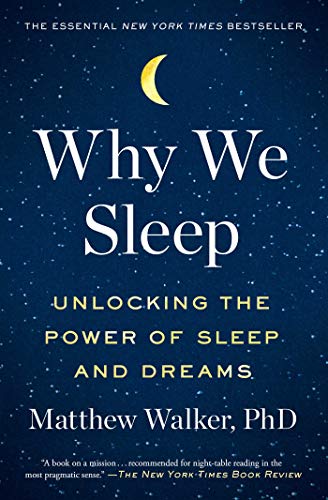
Why We Sleep

Why We Sleep by Matthew Walker reveals how sleep affects every aspect of our health and success.
I may earn a commission if you make a purchase, at no additional cost to you.
Eliminating alcohol isn’t about restriction, it’s about upgrading your energy, focus, and discipline.
📈 Self-discipline in business & work
Success in business isn’t just about talent or luck, it’s about having true discipline.
The most productive entrepreneurs and creators don’t rely on motivation. They create systems and routines that keep them focused, efficient, and consistent.
Whether you’re running a business, growing a personal brand, or working on your next big project, self-discipline is what separates those who get things done from those who stay stuck.
Let’s break down the key habits that help build discipline in business and work.
☀️ Starting and sticking to a morning work ritual
How you start your workday sets the tone for everything that follows.
High performers don’t jump into tasks randomly, they follow a structured morning work ritual to get into a focused state.
Why it works:
- Eliminates decision fatigue: You know exactly how to start your day.
- Creates a trigger for deep work: Your brain gets used to transitioning into focus mode.
- Increases consistency: You build momentum by repeating the same habits daily.
How I use this:
I don’t leave my workday to chance. I start with a short planning session, where I review my top priorities for the day.
Then, I tackle my most important task before checking messages or social media. This ensures I get high-value work done before distractions creep in.
Example from a successful creator:
Tim Ferriss starts his morning by journaling and drinking tea before jumping into focused work. He believes having a ritual removes friction and makes productivity automatic.
“How you start your workday determines how productive you’ll be. Set yourself up for success by making it automatic.”, Navid Moazzez
📵 Avoiding social media before work
Most people start their day by scrolling social media on Instagram or TikTok.
But consuming random content first thing in the morning kills focus and drains mental energy before real work even begins.
Why It works:
- Keeps your mind clear and focused on priorities.
- Prevents reactive thinking: You control your day instead of reacting to others.
- Boosts deep work: You get more done without mental clutter.
How I use this:
I don’t check social media until I’ve completed my first deep work session. This keeps me from getting distracted or sidetracked by other people’s content before focusing on my own goals.
Example from a successful creator:
Cal Newport, author of Deep Work, avoids social media in the morning to maximize his focus. He believes minimizing distractions early helps build strong work habits.
Social media is designed to steal your attention. Take control by focusing on your own work first.
📩 Replying to emails at set times
Constantly checking emails is one of the biggest productivity killers.
Successful people don’t let their inbox control their day, they batch email responses at set times.
Why it works:
- Reduces distractions and context switching.
- Helps you stay in control of your schedule.
- Improves focus by avoiding constant interruptions.
How I use this:
I don’t check emails first thing in the morning. Instead, I schedule email responses in batches, usually once or twice a day. This prevents me from getting pulled into low-priority tasks and keeps my deep work uninterrupted.
Example from a successful creator:
Tim Ferriss only checks emails once or twice a day and avoids responding immediately unless it’s urgent. He believes most emails don’t require an instant reply and that setting boundaries boosts productivity.
Your inbox is a to-do list that other people control. Take back your time by setting email boundaries.
🚫 Saying no to low-value tasks
Highly disciplined people protect their time. They don’t waste energy on tasks that don’t move the needle.
Why it works:
Instead, they focus on high-impact work that drives real results.
- Prevents burnout by reducing unnecessary workload.
- Creates more time for deep, meaningful work.
- Helps you stay aligned with your biggest goals.
How I use this:
I used to say yes to every opportunity, but I realized that most things don’t actually matter.
Now, I filter tasks based on impact, if it doesn’t align with my goals, I say no. This has freed up my time to focus on high-leverage work.
Warren Buffett famously said, “The difference between successful people and really successful people is that really successful people say no to almost everything.” He protects his time by focusing only on his most important priorities.
Every time you say yes to something unimportant, you’re saying no to something that actually matters.
🎯 Setting clear goals & deadlines
Without clear goals and deadlines, it’s easy to drift.
Disciplined people create structure around their work by setting specific targets and holding themselves accountable.
Why it works:
- Provides direction and clarity.
- Creates urgency, making it easier to take action.
- Prevents procrastination by setting time limits.
How I use this:
I break down my goals into actionable steps and set deadlines for each. Instead of vague plans, I have clear objectives and a timeline to execute.
This keeps me moving forward without getting stuck in analysis paralysis.
Elon Musk sets “insanely tight deadlines” to push rapid execution. He believes that aggressive timelines force innovation and action, saying:
If you give yourself 30 days to clean your house, it will take 30 days. If you give yourself 3 hours, it will take 3 hours.
Without clear goals and deadlines, you’re just busy, real progress comes from structured execution.
📊 Using the Eisenhower matrix to prioritize
Not all tasks are created equal. The Eisenhower Matrix helps you focus on what truly matters by categorizing tasks based on urgency and importance.
Why it works:
- Helps eliminate busywork and focus on high-impact tasks.
- Prevents overwhelm by structuring priorities.
- Reduces decision fatigue, making work more efficient.
How I use this:
I categorize my tasks daily using the Eisenhower Matrix. Urgent and important tasks get my immediate attention, while I schedule or delegate others.
This keeps me from wasting time on things that don’t move the needle.
Example from a successful creator:
Tim Ferriss is known for ruthless prioritization. He follows the 80/20 rule (Pareto Principle), focusing only on tasks that drive the biggest results, while eliminating or delegating the rest.
If everything is a priority, nothing is. The key to discipline is knowing what truly moves the needle.
📆 Reviewing weekly progress
Self-discipline isn’t just about doing the work, it’s about tracking your progress and making adjustments along the way.
The most successful creators and entrepreneurs take time each week to reflect on what’s working, what’s not, and what needs to change.
Why it works:
- Helps you stay accountable and on track.
- Identifies areas for improvement before they become problems.
- Keeps you motivated by celebrating wins and progress.
How I use this:
Every Sunday, I review my goals, habits, and key tasks from the past week.
I look at what moved the needle, what I struggled with, and what I need to focus on next.
This keeps me from blindly repeating the same mistakes.
Example from a successful creator:
James Clear, author of Atomic Habits, follows a weekly review process to track his progress and refine his systems. He believes that “You do not rise to the level of your goals. You fall to the level of your systems.”
If you don’t measure your progress, you’re just guessing. Reviewing your week keeps you focused and moving forward.
⏳ Limiting meetings
Most meetings are a waste of time. High-performers protect their schedule by only attending meetings that truly matter.
Why it works:
- Frees up time for deep work and high-impact tasks.
- Prevents unnecessary distractions and interruptions.
- Forces better communication: fewer meetings mean clearer agendas.
How I use this:
I keep my meetings to an absolute minimum. If something can be solved via email, Loom video, or a quick message, I avoid scheduling a call.
When I do have meetings, I make sure they have a clear agenda and purpose.
Example from a successful creator:
Tim Ferriss is known for his strict “no unnecessary meetings” rule. He once said, “Never automate something that can be eliminated, and never delegate something that can be automated.”
Your time is your most valuable asset. Protect it by saying no to time-wasting meetings.
🗓️ Creating & following a content calendar
Successful creators and entrepreneurs don’t rely on inspiration to produce content.
They follow a structured content calendar to stay consistent and avoid last-minute scrambling.
Why it works:
- Eliminates decision fatigue: You always know what’s next.
- Keeps content production consistent, even on busy days.
- Helps plan ahead for launches, collaborations, and trends.
How I use this:
I use my Content OS in Notion to organize everything I’m working on, YouTube videos, Instagram posts, newsletters, blog posts like this one you’re reading now, and much more.
It’s my system for planning, tracking, and executing content without stress. This keeps me accountable and ensures I never fall behind, even when life gets busy.
Side note: If this system continues working well for me, I may turn it into a Notion template for others to use.
Example from a successful creator:
Ali Abdaal follows a content pipeline system, where he schedules, outlines, and batches content weeks ahead of time. He treats content like a business, not a hobby.
If you want to be a serious creator, treat content like a system, not a guessing game.
☕ Taking strategic breaks
Working non-stop isn’t a badge of honor, it’s a fast track to burnout. The most disciplined people schedule intentional breaks to maintain focus, creativity, and long-term performance.
Why it works:
- Prevents burnout and mental fatigue.
- Boosts creativity by allowing your mind to reset.
- Improves overall productivity by maintaining high energy levels.
How I use this:
I schedule deliberate breaks throughout my workday, whether it’s stepping away from my laptop for a quick walk, doing a short workout, or just sitting in silence to reset my mind.
These breaks help me stay sharp and avoid the trap of busywork.
Tim Ferriss uses the 80/20 rule and mini-retirements to maintain peak performance. He deliberately steps away from work to recharge and refocus on high-impact tasks.
Discipline isn’t about working 24/7, it’s knowing when to pause so you can go further.
📚 Mental discipline & focus
Self-discipline isn’t just about work, it’s about continuous growth.
The most disciplined people make learning a daily habit, not something they do occasionally.
Whether it’s reading, taking courses, or mastering new skills, the key is consistency.
Let’s break down the habits and self-discipline routines that help high achievers stay sharp and always improving.
Self-discipline isn’t just about work, it’s about mental resilience and personal growth.
The most disciplined people train their minds the way athletes train their bodies. They read, reflect, and focus on what truly matters.
Let’s break down the key habits that strengthen mental discipline and focus.
🧘 Practicing meditation or mindfulness
High performers train their minds the way athletes train their bodies.
Meditation and mindfulness strengthen focus, reduce stress, and improve emotional control.
Why it works:
- Improves concentration and self-awareness
- Reduces stress and mental clutter
- Helps control emotions and reactions
How I use this:
I use breathwork and mindfulness exercises to stay focused and reset my mind throughout the day.
Even just 5 minutes of deep breathing can bring clarity and keep me locked in.
Tim Ferriss, author of The 4-Hour Workweek, has interviewed hundreds of top performers, and over 80% of them have a meditation practice.
Your mind is your greatest asset. Train it daily, just like your body.
📖 Reading daily
Successful people never stop learning.
They read books, listen to audiobooks, and consume high-quality content to sharpen their thinking on a daily basis.
Why It Works:
- Expands knowledge and sharpens decision-making
- Exposes you to new perspectives and ideas
- Strengthens focus and deep work skills
How I use this:
I make reading a daily non-negotiable, even if it’s just 10 pages a day.
I focus on books that align with my goals, whether it’s business, health, or self-improvement.
Warren Buffett spends 80% of his day reading. He once said, “The more you learn, the more you earn.”
Reading is like compound interest, small daily habits lead to massive knowledge over time.
📝 Journaling regularly
Journaling is one of the most underrated habits for mental clarity and self-discipline. It helps track progress, organize thoughts, and stay accountable.
Why it works:
- Provides clarity on goals, thoughts, and emotions
- Helps process challenges and solutions
- Strengthens self-awareness and long-term focus
How I use this:
I journal to reflect on my progress, document lessons, and clarify my next steps. Even a few lines a day can make a huge difference.
Ryan Holiday, author of The Daily Stoic, journals every morning to strengthen his mindset and stay focused on what matters.
Journaling isn’t about writing, it’s about thinking. It’s a tool for clarity, not just a habit.
🚀 Delaying gratification
Success isn’t about quick wins, it’s about long-term thinking.
Disciplined people sacrifice short-term pleasure for greater rewards in the future.
Why it works:
- Strengthens patience and long-term focus
- Builds resilience against impulsive decisions
- Helps create lasting success
How I use this:
I focus on delayed rewards, whether it’s building a business, investing, or fitness. I don’t chase instant gratification, I play the long game.
Naval Ravikant emphasizes the power of long-term thinking:
Play long-term games with long-term people.
The biggest wins in life come from playing the long game. Discipline beats instant gratification every time.
🔄 Focusing on what’s controllable
Disciplined people don’t waste energy on things they can’t control.
They focus on their actions, habits, and mindset, because that’s what drives results.
Why it works:
- Eliminates stress and mental clutter
- Helps you stay proactive and solution-oriented
- Builds resilience against external challenges
How I use this:
I remind myself daily: “Control what you can. Ignore what you can’t.”
This simple mindset shift eliminates excuses and keeps me focused.
Marcus Aurelius, the Stoic emperor, practiced this daily:
You have power over your mind, not outside events. Realize this, and you will find strength.
Discipline isn’t about controlling everything, it’s about controlling yourself.
🚫 Avoiding negativity and toxic influences
Who you surround yourself with impacts your mindset, energy, and discipline.
Negative people drain focus, while positive influences push you forward.
Why it works:
- Protects mental energy and reduces distractions
- Keeps you focused on solutions instead of problems
- Strengthens self-discipline by eliminating unnecessary stress
How I use this:
I’m intentional about who I follow online and who I spend time with. If someone constantly complains or spreads negativity, I limit my exposure. Energy is contagious, I protect mine.
Steve Jobs was known for cutting out distractions, including people who drained his focus. He believed, “Your time is limited, so don’t waste it living someone else’s life.”
Your environment shapes your discipline. Protect your energy like your success depends on it, because it does.
📵 Limiting screen time
Most people lose hours every day to mindless scrolling.
Disciplined people take control of their screen time so they can focus on what matters.
Why it works:
- Reduces distractions and improves focus
- Creates more time for meaningful work and deep thinking
- Strengthens willpower by breaking digital addictions
How I use this: I keep my phone in Do Not Disturb mode when working and avoid social media first thing in the morning. I also set screen time limits so I’m not stuck in endless scrolling.
Cal Newport, author of Deep Work, believes social media and distractions are “weapons of mass distraction.” He suggests limiting tech use to reclaim focus.
If you don’t control your screen time, it will control you. Protect your focus at all costs.
🔮 Using affirmations or visualization
Top performers don’t just set goals, they mentally rehearse success.
Affirmations and visualization help program your mind for discipline and achievement.
Why it works:
- Reinforces a strong mindset and self-belief
- Improves focus and goal-setting clarity
- Strengthens commitment by keeping your vision top of mind
How I use this:
I use mental rehearsal before big projects, workouts, or challenges.
I visualize the process, not just the outcome. This keeps me locked in and reduces self-doubt.
Muhammad Ali famously said, “I am the greatest”, before he ever became champion. He believed in speaking his success into reality.
Discipline starts in the mind. Train your thoughts, and your actions will follow.
🛠 Building a strong personal philosophy
Disciplined people live by principles, not just emotions. They create mental frameworks that guide their decisions, no matter how they feel.
Why it works:
- Gives you a foundation for discipline and decision-making
- Helps you stay consistent even when motivation fades
- Aligns actions with long-term values and goals
How I use this:
I developed my own principles that guide my business, health, and mindset.
Whenever I feel off track, I remind myself of my core values and why I do what I do.
Ryan Holiday, a big advocate of Stoicism, says, “Discipline is destiny.” His entire philosophy is built around self-mastery.
Discipline isn’t just about habits, it’s about knowing who you are and what you stand for.
💰 Self-discipline in finances & wealth
Managing money wisely is what separates financial freedom from financial stress.
It’s not about how much you make, it’s about how you control, invest, and grow it over time.
The most disciplined people follow clear financial habits. They track their income, cut unnecessary spending, and invest consistently.
As a digital nomad and entrepreneur, financial discipline allows me to move freely, manage multiple income streams, and build long-term security without worrying about money.
Here are key self-discipline examples and routines that help you manage money wisely.
📊 Tracking income & expenses
If you don’t track your money, you lose control of it.
Successful people treat their personal finances like a business. They know where every dollar goes, ensuring their money works for them, not the other way around.
Why it works:
- Eliminates wasteful spending
- Helps you save and invest with purpose
- Builds financial awareness and long-term stability
How I use this:
I track my income, business revenue, and personal spending every month.
Seeing the numbers keeps me accountable and allows me to optimize how I manage money.
Graham Stephan, a finance YouTuber, became a millionaire in his 20s by meticulously tracking his finances. He follows a strict budget and prioritizes investing over unnecessary spending.
Money flows to those who manage it. If you don’t track your finances, you’re flying blind.
💸 Paying yourself first
Most people save whatever is left at the end of the month, successful people do the opposite.
They pay themselves first by saving and investing before spending on anything else.
Why it works:
- Prioritizes wealth-building over impulsive spending.
- Automates financial discipline.
- Ensures consistent progress toward financial freedom.
How I use this:
I always invest a percentage of my income first, whether it’s into index funds, Bitcoin, or other long-term assets. This keeps me focused on building wealth, not just making money.
Mike Michalowicz, author of [Profit First](https://www.amazon.com/Profit-First-Transform-Cash-Eating-Money-Making/dp/073521414X?tag=navimoaz-20&ref_=as_li_ss_tl&s=books&linkCode=sl1&linkId=3cdf76ab27083d5985c17ae628855b65), teaches entrepreneurs to allocate profits to savings and investments before paying expenses. His method forces financial discipline and long-term security.
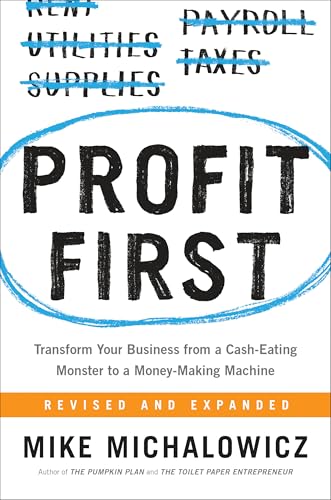
Profit First
Profit First by Mike Michalowicz flips traditional accounting on its head, showing business owners how to take profit first, control cash flow.
I may earn a commission if you make a purchase, at no additional cost to you.
What you do with your money today determines the freedom you have tomorrow.
📈 Investing consistently
Wealth isn’t built overnight, it’s built through consistent, disciplined investing.
The most financially successful and disciplined people don’t try to time the market; they invest regularly, no matter what.
Why it works:
- Avoids emotional decision-making, stick to the plan, not the hype.
- Takes advantage of compound growth, small, consistent investments add up.
- Builds long-term financial security, investing early leads to financial freedom.
How I use this:
I automate my investments into index funds and Bitcoin. This removes the need to make decisions every month and ensures my money is always working for me.
By staying consistent, I avoid the stress of market fluctuations and focus on long-term gains.
Warren Buffett follows a simple investing principle:
Be fearful when others are greedy, and greedy when others are fearful.
He built his fortune through consistent, long-term investments, not by chasing trends.
Wealth is built by consistency, not by trying to time the market.
✈️ Avoiding lifestyle inflation
The more you earn, the easier it is to spend more, but that doesn’t mean you should.
Lifestyle inflation can keep you stuck in the cycle of always needing more.
True financial discipline means spending wisely, even as your income grows.
Why it works:
- Helps you stay financially free: less spending means more flexibility.
- Prevents unnecessary expenses: keeps your spending aligned with your values.
- Allows you to invest more: prioritizing wealth-building over short-term luxury.
How I use this:
As a digital nomad, I focus on value over luxury. I choose destinations with a great quality of life and low cost of living instead of overpriced cities (although I’ve lived in London and very expensive places as well).
I also make sure my expenses don’t increase just because I earn more, I try to stay disciplined and invest the difference instead.
Tim Ferriss, author of [The 4-Hour Workweek](https://www.amazon.com/4-Hour-Workweek-Escape-Live-Anywhere/dp/0307465357?tag=navimoaz-20&ref_=as_li_ss_tl&s=books&linkCode=sl1&linkId=e7ddab4d94b0e98120e03c99c9ec0b2d), emphasizes that freedom isn’t about making millions, it’s about designing a lifestyle where you don’t need to.
He focuses on high-impact spending that enhances his life while keeping costs lean.
True wealth isn’t about how much you make, it’s about how much you keep and how you choose to live.
💳 Keeping finances simple
Managing money shouldn’t be stressful. The more you automate, the easier it is to stay disciplined without constantly thinking about it.
Why it works:
- Reduces decision fatigue by automating savings and bills.
- Prevents missed payments and late fees.
- Frees up mental energy to focus on growth, not money management.
How I use this:
I automate savings, investments, and essential payments so they happen on autopilot.
My accounts are structured to send money where it needs to go, without me having to micromanage every transaction.
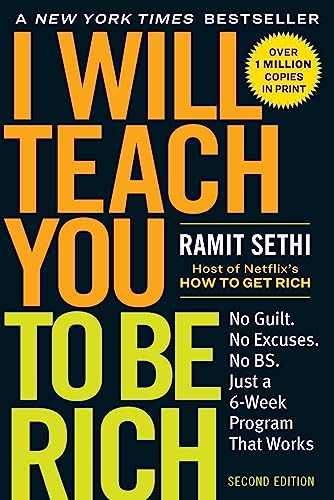
Ramit Sethi, New York Times Bestselling author of [I Will Teach You to Be Rich](https://www.amazon.com/Will-Teach-You-Rich-Second/dp/1523505745?tag=navimoaz-20&ref_=as_li_ss_tl&linkCode=sl1&linkId=90d7414f0b41c9c90f6c76ab08ca7578), is a big proponent of automated finances.
He teaches a conscious spending system, where key expenses, savings, and investments are automated, so you don’t have to track every dollar manually.
I Will Teach You to Be Rich
by Ramit Sethi
I Will Teach You to Be Rich by Ramit Sethi offers a no-BS, practical guide to automating your finances, saving smarter, negotiating bills, and investing without obsessing over every dollar.
I may earn a commission if you make a purchase, at no additional cost to you.
The less time you spend managing money, the more time you have to build wealth.
💰 Optimizing taxes
Smart creators, entrepreneurs, and digital nomads know that tax strategy is just as important as making money.
Keeping more of what you earn means understanding the best legal ways to reduce your taxes.
Why it works:
- Reduces unnecessary tax burdens and keeps more income.
- Allows for smarter wealth accumulation and financial freedom.
- Helps avoid surprises and ensures compliance across different jurisdictions.
How I use this:
As a global citizen, I optimize my tax structure based on where I live and how I run my online business.
I’m a permanent resident in Panama and the UAE, and currently a tax resident in Panama, which operates on a territorial tax system, meaning foreign-sourced income is not taxed.
Since my business is registered in the United States as an LLC, and the U.S. doesn’t tax non-resident LLC owners, I pay zero tax on my business earnings. This structure allows me to maximize income retention while staying fully compliant.
Tim Ferriss has talked extensively about geo-arbitrage, where he optimizes his location for both lifestyle and financial benefits, including taxes.
Many remote entrepreneurs take advantage of tax-friendly locations such as Paraguay and the UAE to increase their take-home income (just note: if you’re a US citizen, it’s a bit more complicated than that though).
It’s not just about making more, it’s about keeping more. A smart tax structure gives you freedom to grow your wealth on your terms.
📈 Building multiple income streams
Relying on a single income source is risky.
The most financially disciplined creators and entrepreneurs create multiple revenue streams, ensuring long-term stability and growth.
Why it works:
- Diversifies income, reducing financial risk.
- Increases earning potential without trading time for money.
- Creates financial security and flexibility for a freedom-based lifestyle.
How I use this:
I’ve built multiple income streams that allow me to earn online while traveling the world.
My main income sources include:
- Digital products & courses: Selling high-value resources like Virtual Summit OS and upcoming creator website & funnel templates, swipe files, as well as Notion templates.
- Affiliate marketing: Recommending tools I personally use and earning recurring affiliate commissions.
- Consulting & coaching: Helping creators and entrepreneurs build online businesses and personal brands.
By stacking these income streams, I ensure financial stability without relying on just one source of revenue.
Pat Flynn from Smart Passive Income built multiple income streams through courses, affiliate marketing, and memberships, proving that digital products can generate long-term passive income.
Multiple income streams aren’t a luxury, they’re a necessity if you want to thrive as a creator and entrepreneur. Build assets that make money while you sleep.
💰 Maintaining an emergency fund
Financial discipline isn’t just about making money, it’s about being prepared for the unexpected.
An emergency fund ensures that unexpected expenses don’t derail your finances or force you into bad decisions.
Why it works:
- Provides financial security during emergencies.
- Reduces stress by eliminating money worries.
- Prevents reliance on credit cards or debt in tough times.
How I use this:
As a digital nomad, having an emergency fund is non-negotiable. I keep at least 6-12 months of living expenses in liquid assets, spread across different currencies and accounts.
This gives me the flexibility to handle unexpected travel, medical emergencies, or business slowdowns without stress.
Ramit Sethi, author of [I Will Teach You to Be Rich](https://www.amazon.com/Will-Teach-You-Rich-Second/dp/1523505745?tag=navimoaz-20&ref_=as_li_ss_tl&linkCode=sl1&linkId=90d7414f0b41c9c90f6c76ab08ca7578), talks about the importance of an emergency fund, recommending at least 3-6 months of expenses in a high-yield savings account to stay financially resilient.
Your emergency fund isn’t just savings, it’s freedom. It lets you take risks, make bold moves, and stay in control of your finances.
🌍 Spending on experiences
Most people chase material possessions, but the truly wealthy prioritize experiences.
Travel, learning, and deep connections bring more long-term fulfillment than buying the latest gadget or luxury car.
Why it works:
- Experiences create lasting memories and personal growth.
- Reduces unnecessary spending on things that don’t add real value.
- Aligns with a freedom-focused lifestyle rather than being tied to possessions.
How I use this:
I prioritize spending on things that enhance my lifestyle and personal growth, traveling, learning new skills, and experiencing different cultures.
I’ve realized that freedom isn’t about owning more, it’s about having the flexibility to live life on my terms.
Tim Ferriss, author of [The 4-Hour Workweek](https://www.amazon.com/4-Hour-Workweek-Escape-Live-Anywhere/dp/0307465357?tag=navimoaz-20&ref_=as_li_ss_tl&s=books&linkCode=sl1&linkId=e7ddab4d94b0e98120e03c99c9ec0b2d), talks about “mini-retirements” and spending money on experiences that expand your worldview rather than material things that lose value over time.
Freedom isn’t about what you own, it’s about how you choose to live. Spend on what makes life richer, not just what makes it look good.
📚 Investing in skills
The most successful people don’t just earn money, they invest in themselves. Learning new skills, gaining knowledge, and improving your mindset all compound over time.
Why it works:
- Expands opportunities for higher income and better decision-making.
- Keeps you adaptable in an ever-changing world.
- Strengthens confidence and expertise in key areas.
How I use this:
I constantly invest in learning and self-improvement, whether it’s courses, books, or mentorship.
The best investment I’ve ever made has always been in myself.
Whether it’s improving my business, fitness, or content creation, I see every dollar spent on growth as an asset, not an expense.
Warren Buffett, one of the richest investors in history, says:
The best investment you can make is in yourself.
The fastest way to level up your life is to invest in skills that move you forward. What you know determines what you can achieve.
🤝 Self-discipline in relationships & social life
Who you surround yourself with matters. Your environment, relationships, and social habits directly impact your mindset, discipline, and long-term success.
Successful people are intentional about who they spend time with and set clear boundaries to protect their focus.
Let’s break down key habits that help maintain self-discipline in relationships and social life.
Keeping promises to yourself and others
Your word is your reputation. Being reliable builds trust, with yourself and the people around you.
Why it works:
- Strengthens self-respect and discipline.
- Builds trust and credibility in relationships.
- Prevents procrastination by staying accountable.
How I use this:
I make sure to follow through on commitments, whether it’s business, fitness, or personal relationships. If I say I’ll do something, I get it done, no excuses.
Jocko Willink, former Navy SEAL, emphasizes extreme ownership:
Leaders must own everything in their world. There is no one else to blame.
Action steps: - Follow through on commitments, no matter how small. - Avoid overpromising, only commit to what you can deliver. - Build self-trust by keeping personal promises, like workouts and routines.
Discipline isn’t just about what you do, it’s about what you commit to and follow through on.
🚪 Setting boundaries
Disciplined people protect their time and energy.
If you don’t set boundaries, distractions and unnecessary commitments will pull you in every direction.
Why it works:
- Prevents burnout and overwhelm.
- Helps you stay focused on what truly matters.
- Encourages others to respect your priorities.
How I use this:
As someone who values deep work and focused execution, I set clear boundaries around work, training, and social time. This means saying no to things that don’t align with my goals.
Warren Buffett once said:
The difference between successful people and really successful people is that really successful people say no to almost everything.
Every yes to the wrong thing is a no to something that actually matters.
🛑 Avoiding toxic relationships
Energy is everything. The most disciplined people don’t waste time on toxic relationships, negativity, or pointless drama, they stay focused on progress.
Why it works:
- Protects your mental clarity and emotional energy.
- Helps you stay focused on goals, not distractions.
- Improves overall happiness and peace of mind.
How I use this:
I don’t engage in drama or negativity, I keep my circle full of driven, positive people. This is key for maintaining a high-performance mindset.
Gary Vaynerchuk always talks about cutting out negativity:
“If someone is consistently bringing negativity to your life, cut them out. Your time is too valuable.”
Action steps:
- Identify and reduce contact with negative influences.
- Spend more time with people who uplift and challenge you.
- Limit exposure to toxic news, gossip, or social media.
Protect your energy. Surround yourself with people who push you forward, not pull you down.
⏳ Being on time
Punctuality is a form of self-discipline. Respecting time, yours and others’, shows reliability and commitment.
Why it works:
- Builds credibility and trust.
- Creates structure and discipline in your daily routine.
- Reduces stress from rushing and last-minute delays.
How I use this:
Whether it’s business calls, content deadlines, or training sessions, I stay on schedule. Being late is rarely about time, it’s about priorities.
Richard Branson values punctuality highly:
“If you want to be respected in business, show up on time and prepared.”
Being on time isn’t about the clock, it’s about discipline and respect for your commitments.
🤝 Choosing quality over quantity in relationships
Your network is your net worth. The most successful people prioritize meaningful connections over surface-level networking.
Why it works:
- Strengthens relationships that add real value.
- Eliminates time spent on shallow, unproductive interactions.
- Creates deeper trust and long-term opportunities.
How I use this:
I focus on genuine connections, people who share similar values and push me to grow. Quality over quantity, always.
Tim Ferriss believes in building selective, deep connections. As Jim Rohn put it:
You are the average of the five people you spend the most time with.
The right people elevate you. The wrong people drain you. Choose wisely.
🎯 Surrounding yourself with disciplined people
Your environment shapes your habits. When you spend time around disciplined, high-achieving people, their mindset rubs off on you.
Why it works:
- Helps reinforce good habits naturally.
- Keeps you accountable and motivated.
- Provides a support system for growth.
How I use this:
- I intentionally surround myself with disciplined, driven individuals: whether in business, fitness, or personal growth. It’s a game-changer.
David Goggins talks about finding people who push you to new levels:
“If you’re the smartest or most disciplined person in the room, you’re in the wrong room.”
The fastest way to level up? Spend time with people who already live at the level you’re striving for.
🔑 How to build self-discipline, my best tips
Most people think building rock solid self-discipline is about forcing yourself to do hard things.
But that’s simply not true.
Discipline isn’t about willpower. It’s about having a system that makes the right actions easy and automatic.
Here’s my best tips on how to build self-discipline step by step:
1. Set clear goals
You can’t be disciplined if you don’t know what you’re working toward.
- Define exactly what you want. Be specific.
- Focus on one key goal at a time.
- Break it down into smaller steps.
Most people never reach their goals because they never define them clearly.
2. Create a routine that works for you
Discipline thrives on structure. If you leave things to chance, you’ll always struggle.
- Design a daily routine that supports your goals.
- Schedule time for your priorities.
- Keep it simple and easy to follow.
3. Remove friction & make it easy
Make disciplined actions effortless. Remove obstacles that slow you down.
- Lay out your workout gear the night before.
- Block distractions when working.
- Prepare meals in advance to eat clean without thinking.
Make the right actions the easy choice, and you’ll never rely on willpower again.
4. Track progress & stay accountable
What gets measured gets improved. Tracking builds momentum.
- Use a habit tracker or journal to stay on track.
- Set daily non-negotiables (small wins that matter).
- Find accountability: tell someone your goals.
“Discipline is remembering what you want.”
David Campbell
5. Stay adaptable & keep going
Discipline isn’t about being perfect. It’s about staying consistent even when life gets tough.
- If you miss a day, get back on track immediately (the rule is to never miss twice).
- Adjust your plan as needed: but never quit.
- Focus on progress, not perfection.
The difference between winners and everyone else? They keep showing up.
The NM5D method, my proven discipline system
Most people fail to stay disciplined because they lack a clear system. They try to rely on motivation, but motivation fades.
That’s why I created the NM5D Method, a simple, structured approach to self-discipline that keeps you on track no matter what.
The NM5D system is built on 5 Core Disciplines that create real, lasting discipline in every area of life.
The 5 core disciplines of NM5D
- Execution: Taking action on key priorities every day.
- Movement: Prioritizing physical activity for strength and energy.
- Growth: Learning, improving, and expanding your mindset.
- Reflection: Reviewing progress, journaling, and refining systems.
- Resilience: Pushing through challenges and staying on track.
This system ensures that discipline isn’t just something you do in one area, it’s something you live in every part of your life.
The 5 D’s of self-discipline
To build and sustain discipline, you need a system that actually works.
That’s where the 5 D’s of self-discipline come in. These are the principles that make NM5D effective:
- Decisive → Clear goals: Know exactly what you’re working toward.
- Deliberate → Small steps & habits: Break it down into daily actions.
- Designed → Systems & structure: Set up routines that remove friction.
- Driven → Support & accountability: Surround yourself with disciplined people.
- Dynamic → Adapt & adjust: Discipline isn’t rigid; it evolves as you grow.
Self-discipline isn’t about being perfect. It’s about having a system that keeps you moving forward, no matter what.
How the 5 D’s strengthen NM5D
- Decisive → Helps you set clear goals for Execution & Growth.
- Deliberate → Ensures Movement, Growth & Reflection are part of daily life.
- Designed → Supports Reflection by creating structured habits & systems.
- Driven → Keeps you accountable in Execution & Growth, so you don’t fall off track.
- Dynamic → Builds Resilience by adapting to challenges in all areas.
How NM5D works in action
Instead of setting random goals, NM5D helps you:
- Stay consistent with daily execution and wins.
- Move your body and stay strong.
- Keep learning and growing.
- Reflect and improve your systems.
- Stay resilient and push through obstacles.
When you apply these 5 disciplines, you stop falling off track. You build habits that last.
Over time, discipline becomes part of who you are, not just something you do
📚 Resources to help you master self-discipline
Building self-discipline is easier when you have the right tools, books, and systems to guide you.
Here are some of the best resources to help you stay consistent and level up your discipline:
📖 Best books on self-discipline
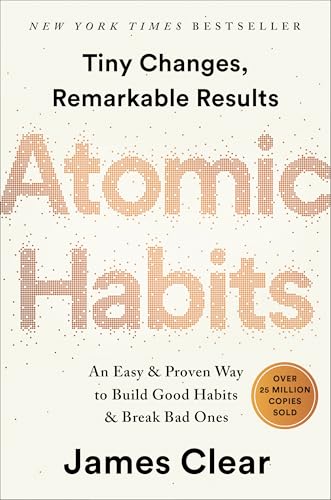
Atomic Habits

by James Clear
Atomic Habits af James Clear forklarer videnskaben bag små daglige vaner og viser, hvordan små, vedvarende ændringer vokser til ekstraordinære resultater over tid.
I may earn a commission if you make a purchase, at no additional cost to you.
The 5 AM Club

by Robin Sharma
The 5 AM Club by Robin Sharma is about waking up early and using a simple morning routine to build discipline, boost productivity.
I may earn a commission if you make a purchase, at no additional cost to you.

Can't Hurt Me
by David Goggins
Can't Hurt Me af David Goggins fortæller om en brutal, men inspirerende rejse gennem mental styrke og om at overvinde modgang.
I may earn a commission if you make a purchase, at no additional cost to you.

Deep Work
by Cal Newport
Deep Work af Cal Newport lærer dig at fokusere uden distraktioner, mestre dit håndværk og skabe arbejde af høj kvalitet på kortere tid.
I may earn a commission if you make a purchase, at no additional cost to you.
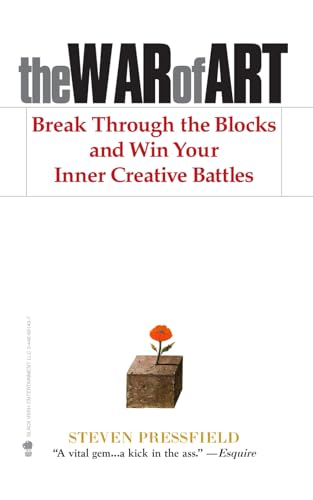
The War of Art
by Steven Pressfield
The War of Art by Steven Pressfield reveals how to overcome resistance and do creative work.
I may earn a commission if you make a purchase, at no additional cost to you.
🛠️ Tools & apps for discipline
- Notion: My go-to tool for planning, tracking habits, and executing NM5D.
- Todoist: Simple task management to keep priorities clear.
- Forest App: Stay off your phone and focus with timed work sessions.
- Oura Ring / WHOOP: Track sleep and recovery to optimize energy.
- Cold Plunge & Sauna: Physical resilience training to build discipline.
📝 My self-discipline frameworks & templates
- NM5D Method: My structured approach to daily discipline.
- The Discipline Challenge / Summit: A 30-day challenge to build lasting habits and rock solid self-discipline.
📺 YouTube channels & podcasts for discipline
- Jocko Willink Podcast: Discipline & leadership insights.
- Andrew Huberman: Science-based strategies for habits & performance.
- Modern Wisdom (Chris Williamson): Deep discussions on self-improvement.
- Matt D’Avella: Minimalism & building strong habits.
- Ali Abdaal: Productivity and focus strategies.
Action step: Pick one book, tool, or challenge to start with today. Small steps lead to big results.
FAQs about self-discipline
Self-discipline isn’t just about working harder. It’s about setting up habits and systems that make success automatic.
Self-discipline is the ability to control your actions, emotions, and habits to reach long-term goals. It’s about doing the work even when you don’t feel like it.
In NM5D, self-discipline is broken down into 5 key areas:
- Execution: taking action on key priorities every day.
- Movement: prioritizing physical activity for strength and energy.
- Growth: learning, improving and expanding your mindset.
- Reflection: reviewing progress, journaling and refining systems.
- Resilience: pushing through challenges and staying on track.
When you improve just 1% every day in these areas, success becomes inevitable.
You don’t build self-discipline by trying to be perfect, you build it by showing up daily. Here’s how:
- Start with one habit at a time. Pick something small and do it every day.
- Remove friction. Set up your environment for success (example: leave your gym clothes out the night before).
- Use habit stacking. Attach a new habit to an existing one (example: stretch after brushing your teeth).
- Track your progress. Use Notion, an app like Streak or Atoms, or a simple checklist.
- Make it non-negotiable. This isn’t about motivation, it’s about commitment.
Over time, these small actions become your identity, and discipline becomes effortless.
Forget the “21-day habit” myth. The reality is, it takes 60-90 days to solidify discipline, but it’s an ongoing process.
Most people fail because they wait for motivation. The solution? Train yourself to act, no matter what. The first 30-60 days are crucial, but self-discipline is a lifelong skill.
This is the real test of self-discipline, doing the work when you don’t want to.
Here’s how you win:
- Have non-negotiables: You don’t ask yourself “Should I go to the gym?”, you just go
- Make it automatic: Reduce the number of decisions required to take action
- Use the 5-minute rule: Tell yourself you’ll do it for 5 minutes. Most of the time, you’ll keep going
- Lower the bar: Some days, just showing up is enough
- Think long-term: The more disciplined you are today, the easier life gets later
You won’t always feel like it. Do it anyway.
Motivation is a feeling. Self-discipline is a system.
Motivation = temporary hype. It fades.
Self-discipline = consistent action. It lasts. Motivation is useful to get started, but it’s self-discipline that keeps you going when motivation dies (which it always does).
Yes, but only if you commit to the process.
Most people think self-discipline is something you’re born with. It’s not. It’s a skill anyone can develop by practicing small daily habits and eliminating distractions.
The difference between disciplined and undisciplined people?
Disciplined people don’t negotiate with themselves. They decide, commit, and take action, no matter what.
A lot of people fail to build self-discipline because they make it harder than it needs to be. The most common mistakes include:
- Relying on motivation: Waiting until you “feel like it” means you’ll never start.
- Trying to change too many habits at once: Focus on one thing at a time for lasting change.
- Not tracking progress: What gets measured, gets improved.
- Letting small failures derail them: One bad day doesn’t mean you failed. Get back on track.
Self-discipline isn’t about perfection. It’s about consistency.
Procrastination is a discipline killer. The easiest way to stop is to make starting effortless:
- Use the 5-minute rule: Commit to just 5 minutes. Once you start, momentum takes over.
- Lower the resistance: Set up your environment so taking action is easy.
- Use time blocking: Schedule focused work sessions to eliminate distractions.
- Remind yourself why it matters: Procrastination is trading what you want long-term for short-term comfort.
Action leads to motivation, not the other way around.
Routine disruptions make discipline harder, but the key is adaptability:
- Have a “minimum viable routine”: Even on the busiest days, stick to 1-2 key habits.
- Use flexible workouts: Bodyweight exercises, walking, or short training sessions keep momentum going.
- Prioritize healthy eating: Avoid junk food and stick to whole foods.
- Keep learning: Listen to audiobooks or podcasts when you don’t have time to read.
Life will always throw curveballs. The goal isn’t perfection, it’s staying consistent, no matter what.
Final thoughts on self-discipline
At the end of the day, self-discipline is the difference-maker. It’s what separates top performers from everyone else.
Forget motivation. That comes and goes. Discipline is what keeps you moving when motivation fades.
The best part? Anyone can build it. Start small. Pick one habit from this list and commit. No excuses.
For me, everything changed when I stopped overthinking. I made discipline non-negotiable.
The results? More focus, better health, and bigger wins in business and life.
Now it’s your turn.
What’s one self-discipline example featured in this guide you’re committing to?
Drop it in the comments. Let’s make it happen. 🚀
Navid Moazzez
AI business strategist & AI OS builder
Navid Moazzez helps creators and founders master AI and build their own AI Operating System (AI OS) to automate their business and life.
Navid.me is reader-supported. When you buy through links on this site, I may earn an affiliate commission. Learn more.
 Free AI newsletter
The most actionable AI newsletter for founders
Every week, get proven AI strategies, curated tools, and step-by-step systems to grow your audience, create better content, and build a profitable creator business.
No fluff, no filler, no BS. Just five minutes each week that might level up your online business and life.
P.S. Sign up now to get free access to my ultimate AI tools guide for creators.