

What is a global citizen? And how to become one in 2026
What a global citizen really is, how it differs from a digital nomad, and the 6 steps that took me from Stockholm to 18+ countries and a home base in Panama.
 por Navid Moazzez·Actualizado en 29 sept 2026·10 min de lectura·Navid.me se financia gracias a sus lectores. Si compras a través de los enlaces de este sitio, puedo recibir una comisión de afiliado. Más información.
Feed RSS ↗
Cada artículo nuevo, en tu lector de RSS

Abrir en ChatGPT ↗
Se abre con esta página como contexto

Abrir en Claude ↗
Se abre con esta página como contexto

Abrir en Grok ↗
Se abre con esta página como contexto

Abrir en Perplexity ↗
Se abre con esta página como contexto

Abrir en Gemini ↗
Se abre con esta página como contexto
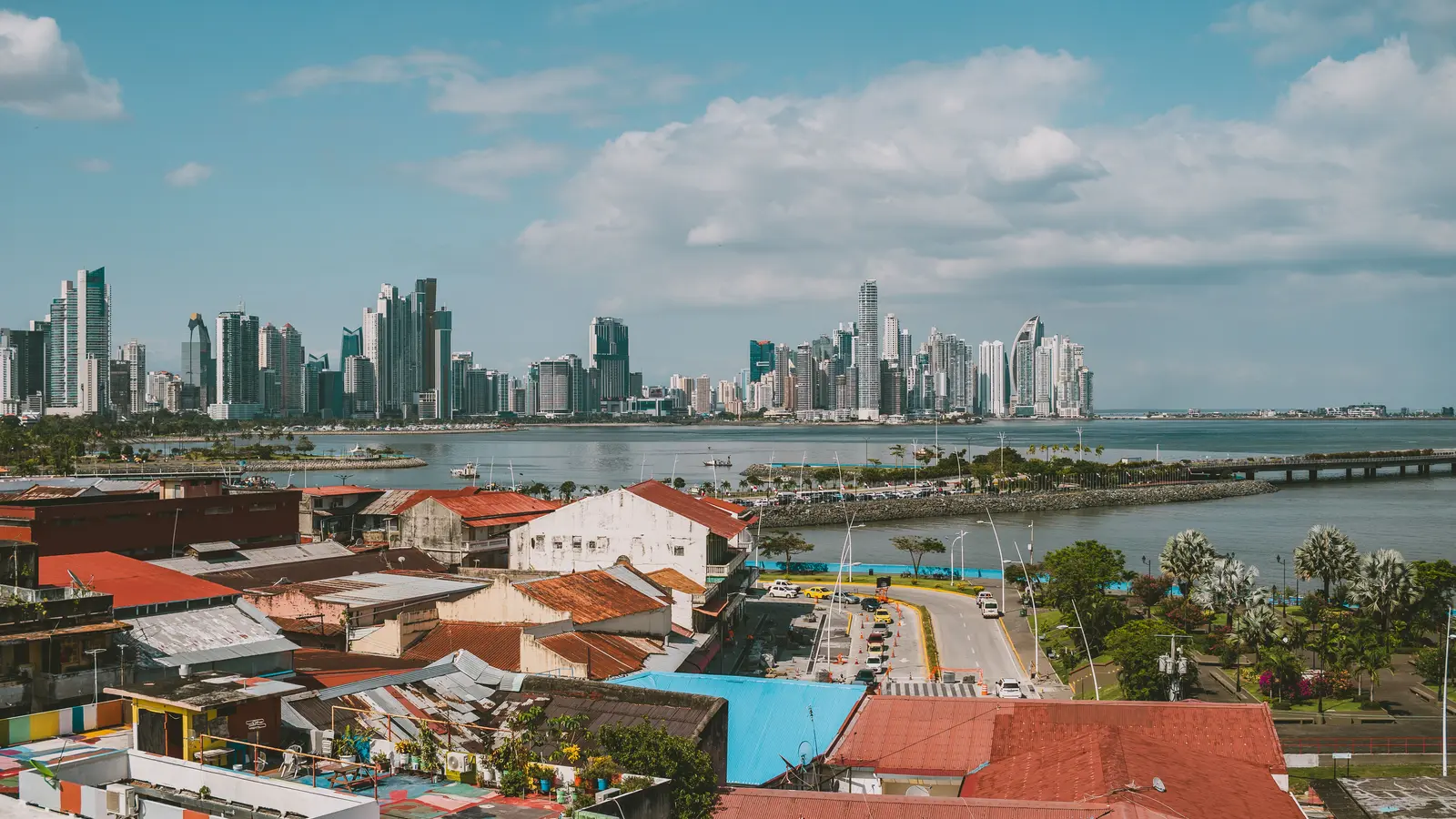
On 28 November 2014, I quit my part-time bank job in Stockholm. The same day, I made over $5,000 from my first virtual summit.
A month later, I decided to leave Sweden for good.
Since then I've lived in 18+ countries and visited 50+. I've run businesses through companies in the US, the UK, Dubai and Hong Kong. And today my legal home base is Panama, where I have permanent residency.
That's what I mean when I call myself a global citizen. Not a passport full of stamps, but a life you put together on purpose, one country at a time.
Here's what a global citizen is, how it's different from being a digital nomad, and the 6 steps that took me from Stockholm to Panama.
What is a global citizen?
A global citizen is someone who doesn't accept the country they were born in as the only option for where they live, work, bank and pay taxes.
The idea is old. Over 2,000 years ago, the Greek philosopher Diogenes was asked where he came from, and he answered that he was a citizen of the world. That's where the word cosmopolitan comes from.
Today, the term is used in 2 ways:
- The civic meaning. Someone who sees themselves as part of a world community and cares about problems that cross borders. It's the meaning schools and the UN use when they talk about global citizenship education.
- The lifestyle meaning. Someone who spreads the pieces of their life across countries: where they live, where their company sits, where they bank and where they spend their time.
This post is about the second meaning. It's the one I've lived since 2014.
Why more people can become global citizens now
Living across borders used to be for diplomats, executives on assignment and the very rich. The internet changed that.
The creator economy is a big part of why. Goldman Sachs counts about 50 million creators worldwide, and estimates the creator economy could approach $480 billion by 2027. Creators, coaches, consultants and online business owners earn from an audience, not an office, so their income was never tied to one country.
That's how it worked for me. My summits and courses paid the same in Cancún as they did in Stockholm. AI is now pushing that further: one person can run a business that used to need a team, from wherever they choose to live.
Travel is fatal to prejudice, bigotry, and narrow-mindedness, and many of our people need it sorely on these accounts.
Global citizen vs digital nomad
I was a digital nomad before I was a global citizen. They sound alike, but they're not the same thing.
- Digital nomad
- Wherever you are this month
- Global citizen
- A home base you chose, plus the places you travel
- Digital nomad
- Often a tourist stay, with your legal life still in your home country
- Global citizen
- A residency you applied for, in a country that fits you
- Digital nomad
- Usually registered where you were born
- Global citizen
- Registered where it fits the business
- Digital nomad
- Often still tied to your home country
- Global citizen
- Planned around where you actually live
- Digital nomad
- Collecting experiences
- Global citizen
- Building a life that works across borders
A digital nomad is free to move. A global citizen has also done the paperwork, so that freedom holds up when a visa runs out, a bank asks questions or a country changes its rules.
Most global citizens start as digital nomads. I did.
En esta página