
How to become more adventurous in life (2026 guide)
Learn how to become more adventurous in life with practical steps, real stories, and a proven system for taking bold action every day.

I spent years living the same boring routine every day.
I was stuck in law school in Sweden following the same schedule, visiting the same places, having the same conversations.
Then I designed a life of freedom so I could add adventure to my life.
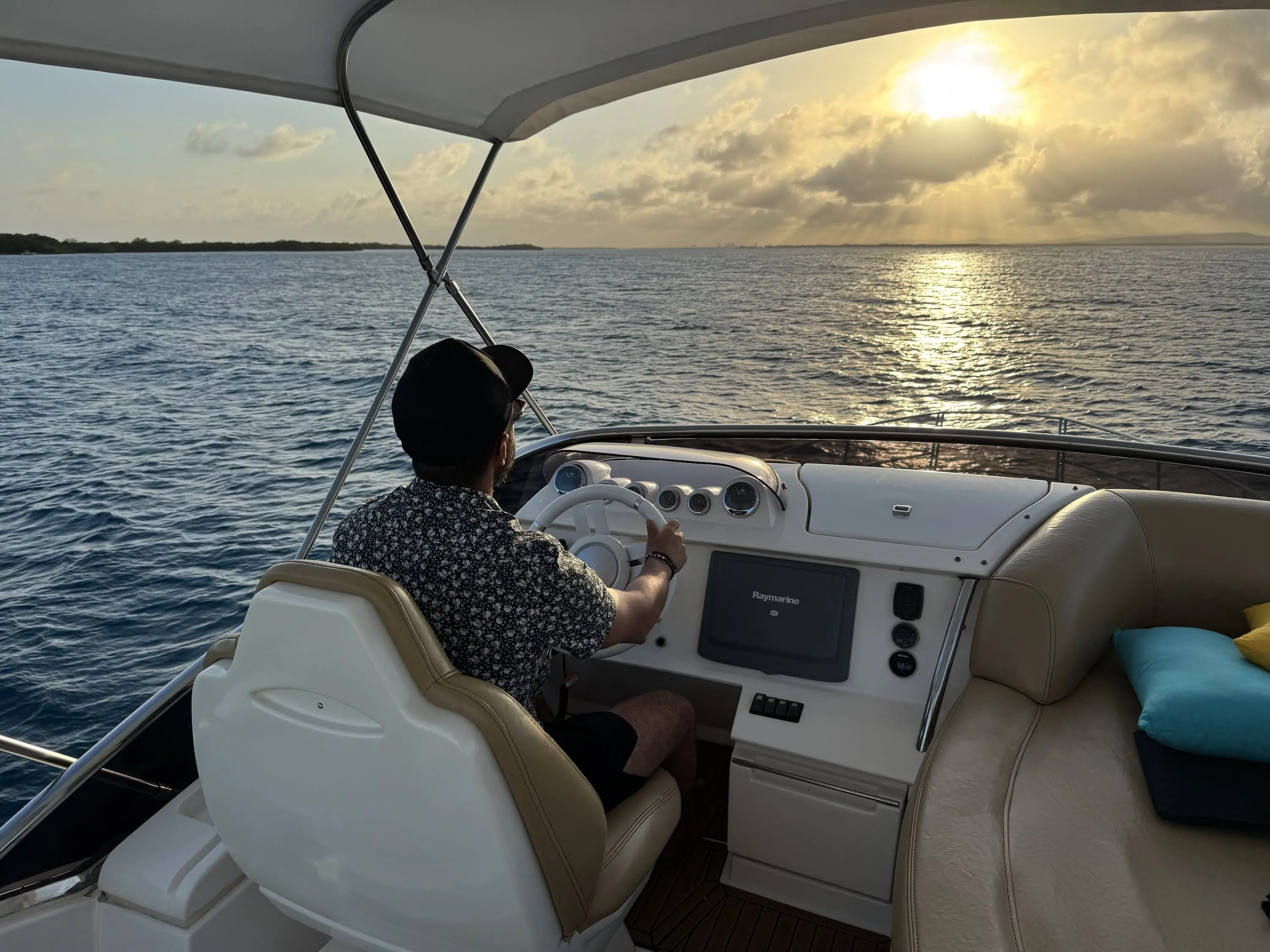
Now I’ve traveled to 50+ countries, lived in 15+ different places, and built a freedom-based online business while exploring the world.
You don’t need to wait for the perfect moment to start living adventurously.
In this guide, I’ll show you how to become more adventurous in life. You’ll learn what adventure actually means, why it changes everything, and how to plan your own adventures step by step.
Let’s dive in.
What is adventure?
🌟
Adventure is any exciting experience that pushes you beyond your comfort zone. It doesn’t require extreme sports or expensive travel. Starting a new business, learning a skill, or exploring an unfamiliar place can all be adventures.
Adventure means different things to different people.
Some people think adventure requires climbing mountains or jumping out of airplanes. Others think it means spending months backpacking through remote countries.
But that’s not the whole picture.
Adventure can be:
- Having a conversation with someone who intimidates you
- Starting a business
- Moving to a new city
- Learning a skill you’ve always wanted to try
The key isn’t danger or extreme activities. The key is doing something that feels uncertain but exciting.
When I dropped out of law school to start an online business, that was an adventure. I had no guarantee it would work. But I was excited about the possibility.
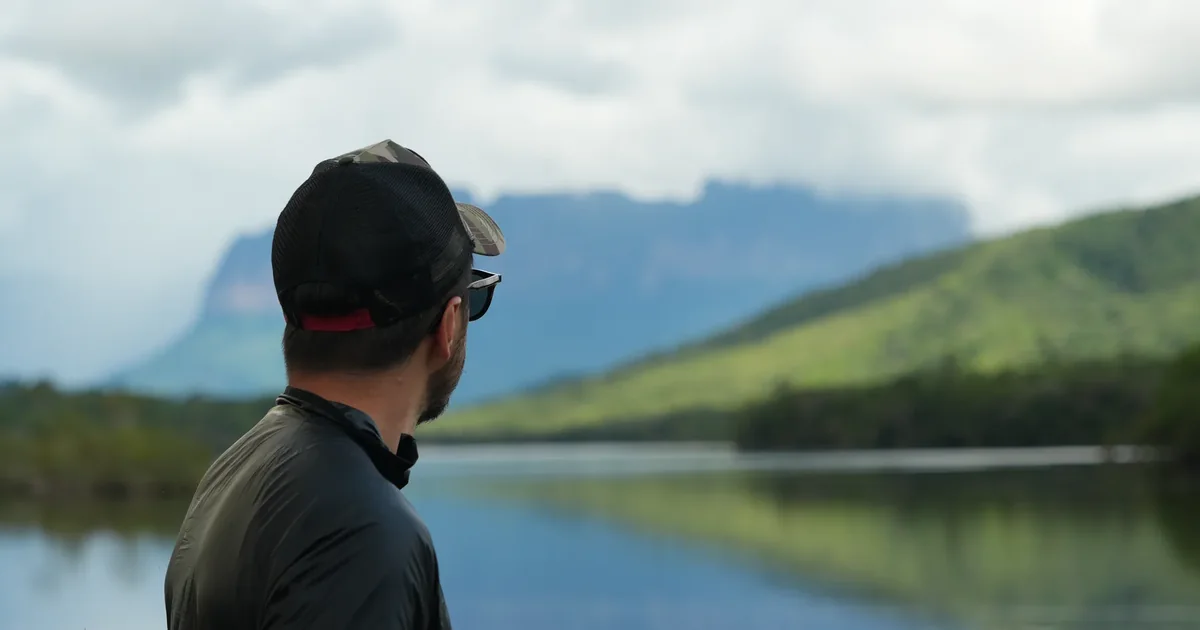
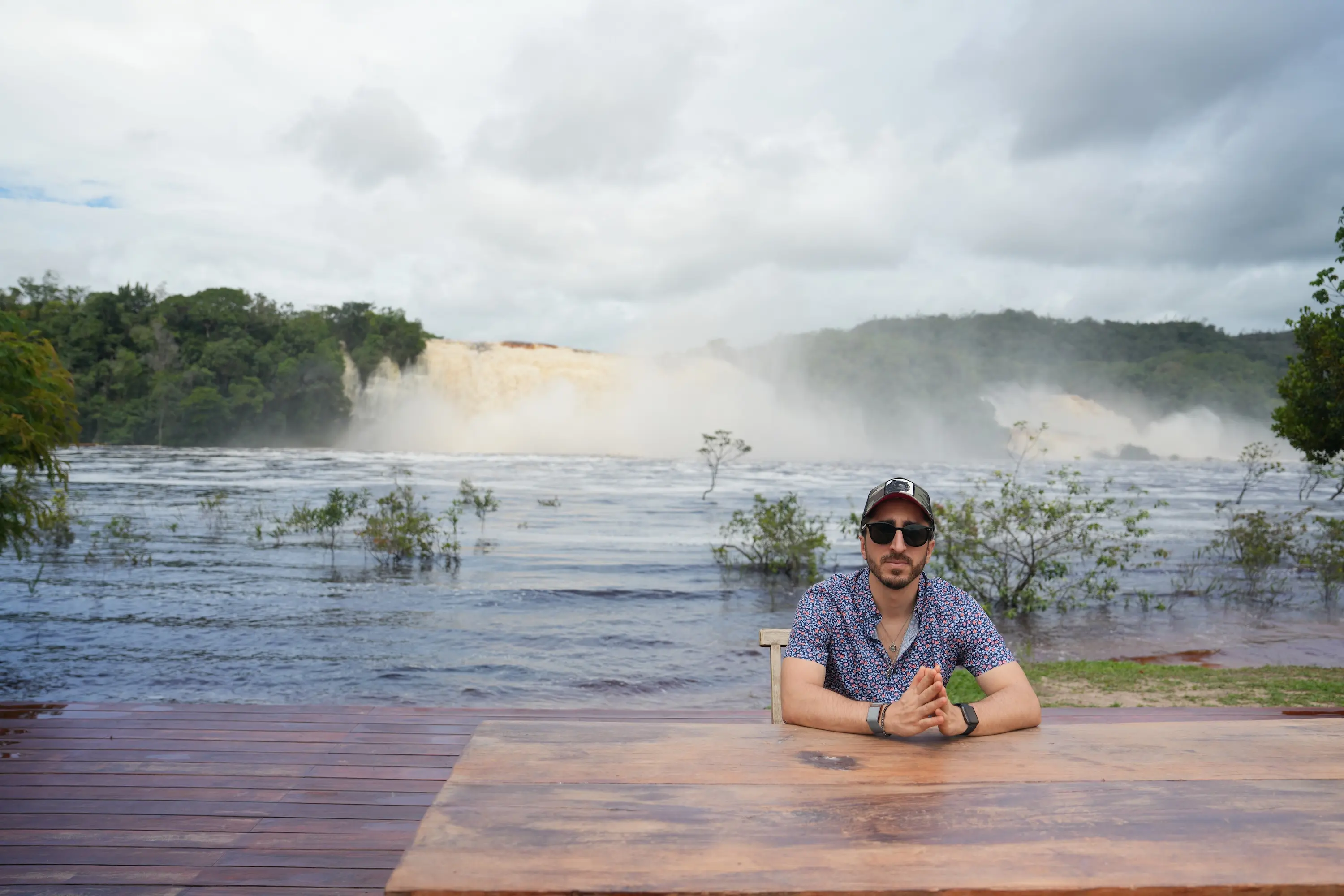
When I decided to live in Venezuela for several months, that was an adventure. I didn’t speak much Spanish and had never been there before. But I was curious about experiencing a completely different culture.
Adventure doesn’t require a passport or a big budget.
It requires willingness to try new things and accept that you might fail.
The best adventures teach you something about yourself. They show you what you’re capable of when you stop playing it safe.
Why most people think adventure is out of reach
Most people avoid adventure because they believe myths that aren’t true.
These myths keep people stuck in boring routines when they could be living exciting lives.
Myth 1: Adventure requires lots of money
People think adventure means expensive trips to exotic locations. But some of my most memorable adventures cost almost nothing.
Joining a local sports league. Trying a new restaurant. Taking a different route to work. These simple changes can feel adventurous when you approach them right.
Myth 2: Adventure requires lots of time
People think adventure means taking months off work to backpack through Europe. But adventure can happen in an hour.
Having an interesting conversation with a stranger is an adventure. Exploring a neighborhood you’ve never visited is an adventure. Trying a new hobby for one afternoon is an adventure.
Myth 3: Adventure is dangerous
People think adventure means putting yourself at risk. But the biggest risk is living a boring, predictable life.
Most adventures involve zero physical danger. The “risk” is psychological. The risk of looking foolish or failing at something new.
Myth 4: Adventure is for young people
People think adventure is something you do before you get serious about life. But adventure becomes more important as you get older, not less.
Adventure keeps you young. It prevents the boredom that makes people feel old before their time.
Myth 5: Adventure requires special skills
People think they need to be athletic, outgoing, or naturally brave to have adventures. This isn’t true.
Adventure is about trying new things, not being good at them. Being a beginner is part of what makes experiences adventurous.
Myth 6: Adventure disrupts responsibilities
People think being adventurous means being irresponsible. That you can’t have adventures if you have a job, family, or commitments.
The opposite is true. Adventure makes you better at handling responsibilities because it builds confidence and creativity.
Myth 7: Adventure has to be solo
People think adventure means traveling alone or doing things by yourself. This keeps social people from seeking adventure.
Many of the best adventures happen with other people. Group adventures can be just as meaningful as solo ones.
When you understand these myths are false, adventure becomes accessible. You realize you can live adventurously regardless of your age, income, or schedule.
The 5 qualities that make any experience adventurous
After years of adventurous living, I’ve discovered that all adventures share five qualities.
These qualities separate boring experiences from exciting ones. Master these five qualities and you can turn any experience into an adventure.
Quality 1: Present
Adventure requires your full attention. You can’t be thinking about work emails or tomorrow’s meetings.
When you’re fully present, ordinary experiences become extraordinary. A simple meal becomes interesting. A conversation becomes a journey of discovery.
Presence transforms routine activities into adventures. The same walk you take every day becomes exciting when you notice details you’ve missed before.
Quality 2: Excited
Adventure requires enthusiasm. You need to approach experiences with energy and anticipation.
Excitement is contagious. When you’re excited about trying something new, other people get excited too. This creates momentum that turns small adventures into bigger ones.
Excitement also changes your perception. When you’re excited, you notice possibilities instead of problems. You see opportunities instead of obstacles.
Quality 3: Open
Adventure requires openness to new experiences. You need to say yes to things that feel unfamiliar or uncertain.
Openness means accepting that you might fail or look foolish. It means being willing to learn and grow instead of staying safe.
Most people close themselves off from adventure because they want to maintain control. But adventure requires giving up some control in exchange for growth and excitement.
Quality 4: Intentional
Adventure works best when it’s purposeful, not random. The most meaningful adventures align with your values and goals.
Random experiences can be fun, but intentional adventures create lasting change. They teach you things you want to learn and help you become who you want to be.
Intentional adventure means choosing experiences that energize you instead of drain you.
Quality 5: Growth-focused
Adventure should challenge you and help you develop new skills or perspectives.
The best adventures push you slightly outside your comfort zone. Not so far that you feel overwhelmed, but far enough that you feel stretched.
Growth-focused adventure means asking “What will this teach me?” instead of just “Will this be fun?”
When you combine these five qualities, any experience can become an adventure. Playing volleyball with friends becomes as adventurous as climbing mountains.
Why being more adventurous matters for your life
Living adventurously isn’t just about having fun. It’s about building a better life.
Adventure directly fights the three main causes of unhappiness: regret, boredom, and monotony.
Adventure fights regret
When you live adventurously, you collect experiences instead of wondering “what if.” You take chances instead of playing it safe.
Most people regret the things they didn’t do, not the things they did. Adventure ensures you have stories to tell instead of stories you wish you could tell.
Adventure fights boredom
When you actively seek new experiences, boredom becomes impossible. There’s always something interesting to discover or learn.
Boredom happens when you stop growing. Adventure forces you to grow by putting you in new situations that require adaptation.
Adventure fights monotony
When you break routines regularly, life feels fresh and dynamic. Small changes prevent your days from blending together.
Monotony kills motivation. Adventure restores motivation by showing you what’s possible when you step outside your comfort zone.
Research backs this up. Studies show that people who seek new experiences report higher levels of life satisfaction and happiness.
But the benefits go beyond happiness. Adventure develops qualities that improve every area of your life.
Adventure builds confidence
Every time you try something new and succeed, you prove to yourself that you’re capable of more than you thought. This confidence transfers to other areas of life.
Adventure builds resilience
When you regularly face uncertainty and adapt to new situations, you become more resilient. Problems that would stress other people become interesting challenges to solve.
Adventure builds creativity
New experiences give you new perspectives. These perspectives combine in unexpected ways to generate creative solutions to old problems.
The most successful people in every field are adventurous. They seek new experiences, take calculated risks, and constantly push beyond their comfort zones.
How to develop an adventurous mindset
Becoming more adventurous starts with changing how you think about experiences.
Most people approach life defensively. They avoid uncertainty and stick to what they know. This creates a predictable but boring existence.
Adventurous people approach life differently. They seek uncertainty and embrace the unknown. This creates an exciting but unpredictable existence.
The shift from defensive to adventurous thinking requires practice. Here’s how to develop an adventurous mindset.
Challenge yourself weekly
Commit to doing one thing each week that you’ve never done before. It doesn’t have to be big or expensive.
Try a new restaurant. Take a different route to work. Start a conversation with a stranger. Read a book in a genre you normally avoid.
The goal isn’t to have a life-changing experience every week. The goal is to prove to yourself that new experiences are safe and often enjoyable.
Reframe fear as excitement
Fear and excitement create the same physical sensations. Increased heart rate, butterflies in your stomach, heightened awareness.
The difference is mental. Fear focuses on what could go wrong. Excitement focuses on what could go right.
When you feel nervous about trying something new, tell yourself you’re excited instead of scared. This simple shift changes everything.
Focus on learning, not achieving
Adventurous people care more about what they’ll learn than what they’ll accomplish. This removes pressure and makes experiences more enjoyable.
When you focus on learning, there’s no such thing as failure. Every experience teaches you something valuable, even if it doesn’t go as planned.
Say yes more often
Most people default to saying no to invitations and opportunities. This keeps them safe but limits their experiences.
Adventurous people default to saying yes. They figure out the details later. This leads to unexpected opportunities and discoveries.
Start saying yes to invitations you would normally decline. Yes to the work happy hour. Yes to the weekend hiking trip. Yes to the cooking class.
You’ll be surprised how many interesting experiences you’ve been missing.
Embrace beginner’s mind
Being a beginner is uncomfortable. You’re bad at things that look easy when others do them. You ask questions that feel obvious.
But being a beginner is also exciting. Everything is new and interesting. Small improvements feel like major victories.
Adventurous people maintain beginner’s mind throughout their lives. They’re always learning new skills and exploring new subjects.
How to become more adventurous in life: Adventure OS system
Living adventurously isn’t about being spontaneous all the time. The most adventurous people I know are actually very systematic about creating adventures.
That’s why I created Adventure OS. It’s a framework for planning and executing EPIC adventures consistently.
EPIC stands for:
- Energizing – Adventures that recharge and inspire you
- Purposeful – Aligned with your values and growth goals
- Intentional – Planned systematically, not left to chance
- Compounding – Each adventure builds on previous ones
The EPIC framework ensures your adventures contribute to your overall life goals instead of just providing temporary excitement.
Step 1: Redefine adventure
Not all adventures are created equal. The adventures that energize me might drain you. The adventures that teach me might bore you.
Start by identifying what makes an experience adventurous for you personally.
Ask yourself:
- What kinds of activities make me feel most alive?
- What environments energize me versus drain me?
- What skills do I want to develop through adventure?
- What fears do I want to overcome?
- What would I regret not trying?
Your answers become your adventure criteria. Use these criteria to evaluate potential adventures before committing to them.
Step 2: Plan freedom trips
Freedom trips are intentional adventures designed to spark creativity and provide perspective. They’re different from vacations because they have a specific purpose.
I take freedom trips when I need to think through big decisions or generate new ideas. I choose locations that inspire me and remove distractions.
Plan freedom trips quarterly. They don’t have to be expensive or far from home. The key is choosing experiences that align with your current needs and goals.
Step 3: Build micro-adventures into your routine
The biggest adventures get the most attention, but small daily adventures create the foundation for an adventurous life.
Build micro-adventures into your weekly routine:
- Try a new restaurant every Friday
- Explore a different neighborhood every weekend
- Take a new route to work once a week
- Start one new conversation each day
- Learn one new thing weekly
These small adventures keep you in an adventurous mindset and create momentum for bigger adventures.
Step 4: Create adventure buckets
Organize potential adventures into categories based on time, energy, and resources required:
- Quick adventures (1-2 hours): New restaurants, different routes, short workshops
- Weekend adventures (1-2 days): Nearby cities, outdoor activities, intensive classes
- Epic adventures (weeks/months): International travel, major challenges, life changes
Having organized lists makes it easy to choose appropriate adventures based on your current situation.
Step 5: Plan with flexibility
The best adventures combine planning with spontaneity. Plan enough to ensure success but leave room for unexpected discoveries.
Research your destination or activity beforehand. Understand the basics and potential challenges. But don’t over-plan every detail.
Some of the best adventure moments happen when plans change.
Step 6: Build an adventure network
Adventures are often better when shared. Build relationships with people who share your sense of adventure.
Join groups focused on activities you enjoy. Attend meetups and workshops. Connect with adventurous people online.
Having adventure partners makes bigger adventures more accessible and enjoyable.
Step 7: Track and optimize
Adventure OS works best when you track what’s working and what isn’t. After each adventure, ask yourself:
- Did this energize me or drain me?
- What did I learn?
- How does this connect to my goals?
- What would I do differently next time?
- What similar adventures should I try?
Use these insights to optimize future adventures. Double down on the types of adventures that energize you most.
Adventure examples: from small to epic
description
Common adventure mistakes to avoid
After years of living adventurously and helping others do the same, I’ve seen people make the same mistakes repeatedly.
Avoid these mistakes and your adventures will be more successful and enjoyable.
Mistake 1: Waiting for perfect conditions
Perfect weather, perfect timing, perfect finances. People wait for everything to align before taking action.
Perfect conditions never arrive. Adventure requires working with imperfect conditions and making the best of them.
The best time to start living adventurously is now, with whatever resources you currently have.
Mistake 2: Copying other people’s adventures
Social media makes everyone else’s adventures look perfect. This creates pressure to have similar experiences.
Your adventures should reflect your interests and goals, not someone else’s Instagram feed. The best adventures are personally meaningful, not publicly impressive.
Mistake 3: Going too big too fast
People get excited about living adventurously and immediately plan epic adventures they’re not ready for.
This usually leads to expensive failures that discourage further adventure-seeking. Start small and build gradually.
Mistake 4: Focusing only on travel
Adventure equals travel in most people’s minds. This limits adventure to times when you can afford to travel.
Local adventures are often more accessible and sustainable than travel adventures. You can live adventurously without leaving your hometown.
Tools and resources for planning adventures
Living adventurously is easier when you have the right tools and resources. Here are the ones I use and recommend.
- Notion – I use Notion to track adventure ideas, plan trips, and reflect on experiences. Having everything in one place makes it easy to see patterns and optimize future adventures.
- Google Maps – Essential for exploring new areas and finding interesting locations. I use it to save places I want to visit and plan efficient routes.
- AllTrails – Perfect for finding hiking trails and outdoor adventures near you. The reviews and photos help you choose adventures that match your skill level.
- Meetup – Great for finding group adventures and meeting like-minded people. Search for hiking groups, photography walks, food tours, and other adventure-focused communities.
- Eventbrite – Useful for finding workshops, classes, and unique experiences in your area. Many of the best local adventures are listed here.
- Skyscanner – The best tool for finding affordable flights when you’re flexible with dates and destinations.
- Airbnb – Better than hotels for longer adventures because you get to experience local neighborhoods instead of tourist areas.
- TripAdvisor – Useful for finding unique activities and reading reviews from other adventurers.
- Skillshare – Offers classes on photography, writing, cooking, and other skills that enhance adventures.
- MasterClass – Learn from experts in various fields. Many of their classes inspire new adventure ideas.
Books that inspire adventure
Books can spark adventure ideas and provide the mindset shifts needed for adventurous living:
- “A Walk in the Woods” by Bill Bryson
- “Wild” by Cheryl Strayed
- “The Alchemist” by Paulo Coelho
- “Vagabonding” by Rolf Potts
FAQ about living more adventurously
description
Adventure is any exciting or remarkable experience that pushes you beyond your comfort zone. It doesn’t require danger or extreme activities. Starting a new hobby, traveling to a new place, or having an interesting conversation can all be adventures.
Many of the best adventures cost little or nothing. Try new walking routes in your neighborhood, attend free community events, start conversations with strangers, learn new skills through free online resources, or explore local parks and attractions you’ve never visited.
Start small with low-risk adventures to build confidence. Reframe fear as excitement by focusing on what you might gain rather than what you might lose. Remember that most fears about new experiences are imaginary. The worst case scenario is rarely as bad as you think.
Adventure doesn’t require large blocks of time. You can have micro-adventures during lunch breaks, weekends, or commutes. Try a new restaurant, take a different route to work, or attend a one-hour workshop. Small adventures are often more sustainable than big ones.
Pay attention to things that make you curious. Ask friends about their hobbies and interests. Browse local event listings, Meetup groups, and community boards. Follow adventurous people on social media for inspiration. The key is staying open to possibilities.
Most adventures involve minimal physical risk. The biggest risks are psychological – fear of looking foolish or failing. Research your adventures beforehand, take appropriate precautions, and start with lower-risk activities to build confidence.
Absolutely. Adventure isn’t about being social or outgoing. Solo adventures like hiking, photography, reading in new places, or learning new skills can be just as fulfilling as group adventures. Choose adventures that match your personality.
Track your adventures and reflect on how they make you feel. Celebrate small wins and progress. Connect with other adventurous people for motivation and ideas. Remember that adventure is a practice, not a destination.
Build adventure into your existing schedule rather than treating it as an extra burden. Use weekends, evenings, and lunch breaks for micro-adventures. Plan bigger adventures around work and family schedules. Remember that adventure enhances other areas of life rather than competing with them.
Next steps: start your adventure today
iving more adventurously isn’t about making dramatic life changes overnight. It’s about making small, consistent choices that add excitement and growth to your daily experience.
You now have everything you need to start living more adventurously.
You understand that adventure is about creating exciting experiences, not just extreme activities. You know the five qualities that make any experience adventurous. You have the EPIC framework for planning meaningful adventures that energize you and align with your goals.
Here’s how to start today:
Choose one small adventure for this week. It could be trying a new restaurant, taking a different route to work, or starting a conversation with a stranger. The goal is to prove to yourself that adventure is accessible and enjoyable.
Plan one medium adventure for this month. Visit a nearby city you’ve never explored, attend a workshop on something you’re curious about, or join a local group focused on an activity that interests you.
Start thinking about one epic adventure for this year. What’s something you’ve always wanted to try but never had the courage to attempt? What would challenge you and create a story you’d be excited to tell?
The most adventurous life starts with the simplest step. Deciding that you want more excitement and growth in your daily experience.
Adventure is waiting for you. You just have to choose it.
Ready to systematically add more adventure to your life? Download my complete Adventure OS framework with templates, worksheets, and planning tools to start living more adventurously today.
Navid Moazzez
AI business strategist & AI OS builder
Navid Moazzez helps creators and founders master AI and build their own AI Operating System (AI OS) to automate their business and life.
Navid.me is reader-supported. When you buy through links on this site, I may earn an affiliate commission. Learn more.
Similar articles
50+ self-discipline examples & routines for success in 2026

What is Ikigai and how to use it to find your purpose
How to write a letter to your future self (with examples)
52 lezioni di vita in 40 anni che mi hanno cambiato la vita

10 books that changed my life forever

31 life-changing books you’ll wish you read sooner

How to be so good they can’t ignore you: 10 undeniable steps

La costanza è la chiave del successo: come essere più costante
How to get anything you want in life (ultimate guide)

The 5 daily non-negotiables that drive my success

Hi, my name is Navid.

The ultimate core values list: 360 core value examples
Related free tools

 X
X Bluesky
 LinkedIn
 Threads

 Mastodon
 Instagram
 TikTok
 Pinterest
 YouTube


 Free AI newsletter
The most actionable AI newsletter for founders
Every week, get proven AI strategies, curated tools, and step-by-step systems to grow your audience, create better content, and build a profitable creator business.
No fluff, no filler, no BS. Just five minutes each week that might level up your online business and life.
P.S. Sign up now to get free access to my ultimate AI tools guide for creators.