Articles on becoming a global citizen
How to live, work and build a business across countries: residency, companies abroad, expat life and the freedom to choose where you live.
Browse articlesFlux RSS ↗
Chaque nouvel article, dans votre lecteur

Ouvrir dans ChatGPT ↗
S’ouvre avec la page comme contexte

Ouvrir dans Claude ↗
S’ouvre avec la page comme contexte

Ouvrir dans Grok ↗
S’ouvre avec la page comme contexte

Ouvrir dans Perplexity ↗
S’ouvre avec la page comme contexte

Ouvrir dans Gemini ↗
S’ouvre avec la page comme contexte
Live and work anywhere
A month after I quit my bank job in 2014, I decided to leave Sweden for good.
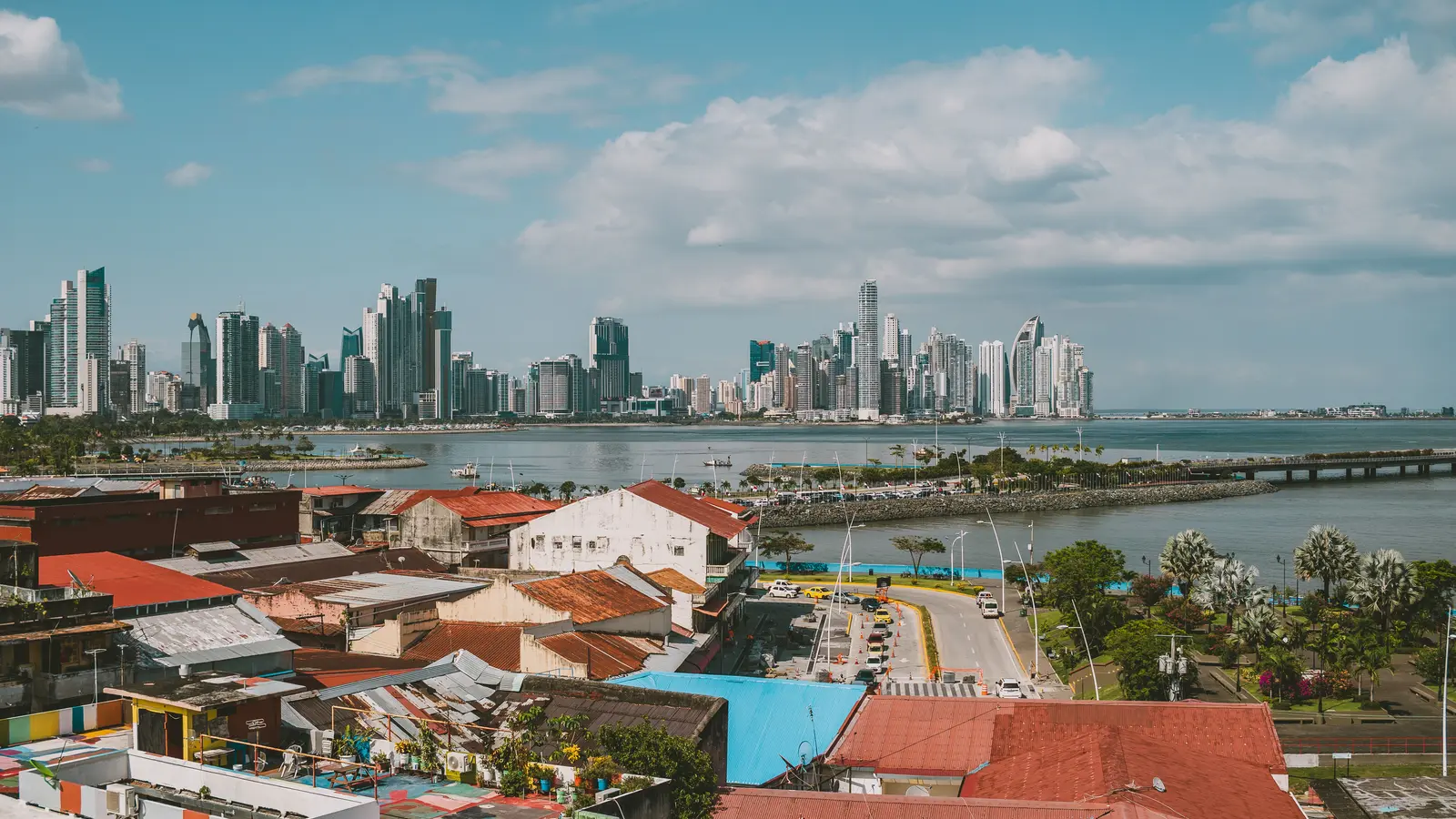
Since then I've lived in 18+ countries and visited 50+. I've run businesses through companies in the US, the UK, Dubai and Hong Kong, and today my legal home base is Panama, where I have permanent residency.
Here's what I've learned about living as a global citizen, from residency and companies to expat life. Start with what is a global citizen.
Every article on becoming a global citizen


Aucun article trouvé. Essayez une autre catégorie.
FAQs about global citizens

A global citizen is someone who chooses where they live, work, bank and pay taxes, instead of accepting the country they were born in as the only option.
In the older, civic sense, it also means someone who sees themselves as part of a world community.
To choose where you live, work, bank and pay taxes, instead of accepting one country's rules for all of it.
For me, it's a life put together on purpose, one country at a time, with my legal home base in Panama.
A digital nomad moves from place to place, often on tourist stays, with their legal life still in their home country.
A global citizen has also set up the legal side: a residency, a company and banking in countries they chose.
No.
Most global citizens start with one passport and a residency in a second country, and a second citizenship comes later, if at all.
An expat is someone who lives long term in a country that isn't their own.
Many global citizens are expats in one country, with a company or residency in another.
It depends mostly on where you're a resident and which passport you hold.
Some countries tax worldwide income, some only tax income earned inside the country, and the US taxes its citizens wherever they live.
Talk to a tax advisor in each country before you move.
Flag theory is the idea of spreading the parts of your life across countries: citizenship, residency, business base, banking, assets and the places you spend your time.
It started with 3 flags in the 1960s and later grew to 5 and more.
Most people can, but it starts with income that doesn't depend on where you live.
Once you have that, a first residency abroad is within reach for many passports, and some countries, like Paraguay, ask for very little to start.
A digital nomad is a person who uses technology to work remotely and live a location-independent lifestyle.
Yes, it is legal to be a digital nomad as long as you comply with the visa and tax requirements of the countries you visit and your home country.
You can work from anywhere with good internet, but the visa and tax rules of each country still apply.
A residency and a company set up on purpose is what turns a digital nomad into a global citizen.
I've lived in 18+ countries and visited 50+.
My home base is Panama, where I've had permanent residency since 2020.
I've run businesses through companies in the US, the UK, Dubai and Hong Kong.
A month after I quit my bank job in Stockholm in 2014, I decided to leave Sweden for good.
 Newsletter IA gratuite
La newsletter IA la plus concrète pour les fondateurs
Chaque semaine, recevez des stratégies IA éprouvées, des outils sélectionnés et des systèmes pas à pas pour développer votre audience, créer un meilleur contenu et bâtir un business de créateur rentable.
Pas de blabla, pas de remplissage, pas de baratin. Juste cinq minutes par semaine qui peuvent faire passer votre business en ligne et votre vie au niveau supérieur.
P.-S. Inscrivez-vous maintenant pour accéder gratuitement à mon guide ultime des outils IA pour les créateurs.