
How to be so good they can’t ignore you: 10 undeniable steps
Learn how to be so good they can’t ignore you with 10 clear undeniable steps. Build skills, gain confidence, and create opportunities that matter.

Want to be so good they can’t ignore you? There’s a specific path to get there, and it’s not what most people think.
Most creators chase passion and end up lost. They follow their hearts hoping success will naturally follow.
What if they’ve got it completely backwards?
I discovered a life-changing truth when I dropped out of law school:
Being so good they can’t ignore you isn’t about finding your passion.
It’s about building exceptional skills that make you undeniable.
This guide reveals the exact system I’ve used to build multiple successful businesses and design a life of complete freedom.
Let’s dive in.
What does it mean to “be so good they can’t ignore you”?
🌟
To be so good they can’t ignore you means developing rare and valuable skills that create undeniable results. It’s about becoming so exceptional at what you do that opportunities and recognition naturally flow to you, rather than you chasing after them.
This approach flips conventional wisdom on its head. Instead of pursuing passion first and hoping success follows, you focus on building exceptional skills and let passion develop naturally through the mastery process.
This approach flips conventional wisdom on its head. Instead of pursuing passion first and hoping success follows, you focus on building exceptional skills first.
As you develop mastery, you gain leverage. This leverage gives you the power to design work on your terms. You create the freedom, impact, and fulfillment most people believe comes from following passion.
Don’t follow your passion; rather, let it follow you in your quest to be so good they can’t ignore you.
Steve Martin
This powerful concept comes from comedian Steve Martin. When asked for advice by aspiring performers, he didn’t suggest following dreams. He told them to become exceptional first.
Cal Newport expanded on this idea in his groundbreaking book. It immediately explained my own journey.
I had invested years in law school. I thought I was on the right path. Then my brother Simon passed away in 2013. Everything changed.
I left the “safe” path to explore what truly resonated with me.
I didn’t have a burning passion for virtual summits or online business. I simply saw an opportunity to create value. I decided to become exceptionally good at it.
When I interviewed Robert Greene, he told me:
You don’t learn anything well unless you’re focused, and you can’t focus on something that bores you.
Robert Greene
This really hit home for me.
This isn’t about talent or luck. It’s about deliberate skill-building.
When I built my virtual summit expertise, I didn’t just host some random online events.
I created a system that my students I used to collectively generated millions of email subscribers and 10’s of millions of dollars in sales in any industry you can think of.
That’s the difference between passion and skill: measurable results.
The market doesn’t reward passion. It rewards value.
Become valuable first, and passion naturally follows.
The passion trap vs the skill-based approach
Most success advice falls into two camps: “follow your passion” or “build valuable skills first.”
But which approach actually works?
I’ve tested both approaches in my own journey and studied hundreds of successful entrepreneurs. Here’s the unfiltered truth about each path:
The “follow your passion” advice sounds inspiring on Instagram. In reality, it’s deeply flawed.
When I interviewed Cal Newport, author of “So Good They Can’t Ignore You,” he explained why:
There’s a distinction between wanting to be passionate about your work and the strategy of following your passion.
When I researched how people actually end up loving their careers, it was rare that they identified a pre-existing passion and just followed it.
Cal Newport
Look at Steve Jobs. The year before Apple was founded, he showed little interest in technology. He was drawn to Eastern mysticism!
Apple wasn’t his lifelong passion… it became his passion through creating something valuable.
The reality: passion develops alongside mastery. You don’t discover it first then pursue it.
Don’t ask what you’re passionate about.
Ask what you’re willing to get exceptionally good at.
The passion vs skills debate: What really works?
Most success advice falls into two camps: “follow your passion” or “build valuable skills first.”
But which approach actually works?
I’ve tested both approaches in my own journey and studied hundreds of successful entrepreneurs. Here’s the unfiltered truth about each path:
Why “follow your passion” sounds good (but often fails)
The “follow your passion” approach is everywhere. It’s in graduation speeches, bestselling books, and Instagram captions.
Here’s why it’s appealing:
Instant motivation: When you love something, showing up is easier. You naturally invest more time and energy.
Authentic connection: Starting with what you love creates a deeper connection to your work.
Emotional satisfaction: It feels good to pursue what excites you. It aligns with how we want the world to work.
But here’s the problem: passion without skills rarely creates value. And without creating value, you can’t build freedom.
I see this constantly. Passionate creators who can’t understand why their enthusiasm isn’t translating to success.
The reason? They’re skipping a critical step.
Why the “skills first” approach actually delivers
The alternative approach—building valuable skills before expecting passion—isn’t as sexy. But it consistently delivers results:
Market reality: The market pays for value, not passion. Developing rare, valuable skills creates real opportunities.
Passion development: As you get better at something, you typically enjoy it more. Excellence fuels enthusiasm.
Growing options: Career capital gives you leverage to design work on your terms.
Clear next steps: Instead of endless soul-searching, you focus on deliberate improvement.
Look at the patterns:
Marie Forleo developed skills in coaching and communication first. Her passion grew as she mastered her craft and saw her impact expand.
Tim Ferriss methodically built skills in testing and optimization before developing his passion for lifestyle design.
Casey Neistat became exceptional at visual storytelling through years of deliberate practice, with his enthusiasm growing alongside his mastery.
Each started with skills, not passion. And each ended up with both.
The strategic sweet spot: my approach
After years of experimentation, I’ve found the most powerful path combines elements of both approaches:
- Start with interest, Not passion: You don’t need burning passion — just enough interest to fuel consistent practice.
- Focus on value first: Develop skills people actually value, not just what feels good.
- Create feedback loops: Build systems to measure your improvement and impact.
- Let passion emerge naturally: Stay open to discovering unexpected enthusiasm as you develop mastery.
- Design your path intentionally: Use your growing career capital to shape a life that brings true freedom.
This balanced approach avoids both the “just follow your bliss” fantasy and the soulless “ignore what you enjoy” trap.
The sweet spot isn’t choosing between passion and skills.
It’s understanding their proper sequence: skills first, passion second, freedom as the result.
What I’ve discovered is simple but powerful: passion isn’t the starting point — it’s what happens when you become exceptional at something valuable.
And that’s a path anyone can follow.
Finding your ikigai through mastery, not just passion
While many interpret ikigai (your “reason for being”) as finding your passion, the true power of this Japanese concept lies in its completeness.
Ikigai emerges at the intersection of:
- What you love (passion)
- What you’re good at (skill)
- What the world needs (purpose)
- What you can be paid for (value)
Most people make a critical mistake. They start with passion alone. I’ve learned that by first developing exceptional skills, you naturally discover what you love in the process.
True Ikigai isn’t just about finding work you love — it’s about building a complete life that gives you freedom, meaning, and impact.
Ikigai isn’t found through soul-searching alone.
It’s built through deliberate mastery and intentional lifestyle design.
How to be so good they can’t ignore you: 10 proven steps to follow
Now that you understand why becoming exceptional at what you do is the path to work you love, let’s break down the exact steps to make it happen.
These aren’t theoretical concepts. They’re the same steps I’ve used to build multiple successful businesses and design a life of freedom on my terms.
Each step builds on the previous one, creating a systematic path to be so good they can’t ignore you.
Step 1: Adopt the craftsman mindset
The craftsman mindset focuses on what you can offer the world. The passion mindset obsesses over what the world offers you.
This mental shift changes everything:
Passion mindset:
- “Is this the right path for me?”
- “Am I truly passionate about this?”
- “What should I be doing with my life?”
Craftsman mindset:
- “How can I deliver exceptional value?”
- “What skills can I develop to become extraordinary?”
- “How can I improve my work by 1% today?”
When I started my online lifestyle business, I wasn’t passionate about virtual summits. I simply saw an opportunity to create value and decided to become exceptionally good at it.
I put in countless hours mastering this craft — learning to secure high-profile speakers, creating compelling content, and designing effective funnels. The deeper I went into mastery, the more my passion grew.
Cal Newport puts it perfectly:
Passion is a side effect of mastery.
Cal Newport
Action steps
- Identify one valuable skill in your field that you can focus on improving
- Create a 30-day plan to deliberately improve that skill through daily practice
- Start measuring your improvement with concrete metrics
Excellence isn’t a destination.
It’s a habit you practice daily when nobody’s watching.
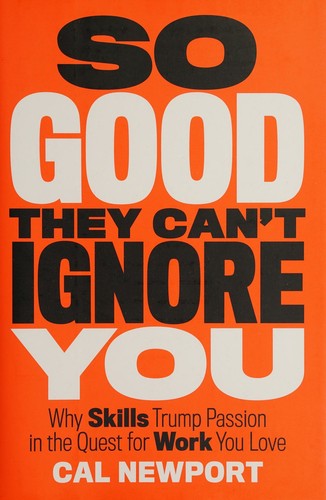
So Good They Can't Ignore You

by Cal Newport
So Good They Can't Ignore You by Cal Newport challenges the idea of 'follow your passion.
I may earn a commission if you make a purchase, at no additional cost to you.
Step 2: Ruthlessly track your time & energy
You can’t improve what you don’t measure. Most people have no idea where their time actually goes.
Time isn’t just money. Time is your life. And how you spend it determines what you’ll become.
Robert Greene told me in our interview:
Successful people keep incredibly strict control over their working time.
They map out their daily, weekly, and monthly schedules.
Robert Greene
Start by tracking exactly where your time goes for a full week. You’ll be shocked.
Most people discover they spend less than 20% of their time on high-value activities that build valuable skills. The rest disappears into low-value work, distractions, and busy work.
Your goal: spend at least 50% of your working time on skill-building activities that make you better at your craft.
Action steps
- Track every 30-minute block of your working time for one full week
- Identify your 3 highest-value activities that build rare and valuable skills
- Eliminate or delegate at least 3 low-value activities that don’t contribute to your mastery
Your time is finite.
Your energy is finite.
But your potential is infinite — if you focus your resources on what truly matters.
Step 3: Master the art of deep work
Excellence requires focused attention. Yet we live in a world designed to fragment our focus.
Deep work is the ability to concentrate without distraction on demanding tasks. It has become the ultimate competitive advantage.
Cal Newport explains:
Deep work is not a habit like flossing.
It’s a cognitive skill that requires training.
Cal Newport
I protect my focus relentlessly:
- No social media during deep work sessions
- Structured time blocks for focused creation
- Environment designed for concentration
- Clear boundaries between deep and shallow work
When I built my first summit that generated $20,000+ in profit, I dedicated focused blocks of 3-4 hours daily to the most important tasks — not answering emails or scrolling through social media.
Action steps
- Schedule three 90-minute deep work sessions this week
- Turn off all notifications during these sessions
- Create a pre-deep work ritual to signal to your brain it’s time to focus
- Design your environment to eliminate potential distractions
Your output will never exceed your ability to eliminate distraction.
Guard your focus like it’s worth millions — because it is.
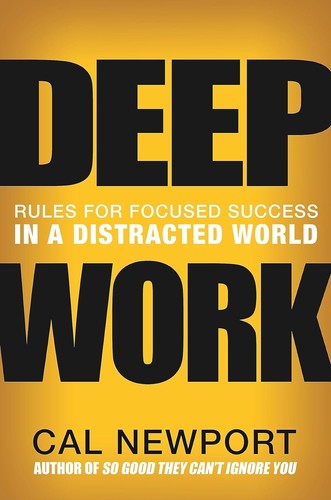
Deep Work
by Cal Newport
Deep Work by Cal Newport teaches how to focus without distraction, master your craft, and produce high-quality work in less time.
I may earn a commission if you make a purchase, at no additional cost to you.
Plan your deep work blocks with the free daily schedule maker
Step 4: Practice deliberately, not mindlessly
Most people plateau because they practice incorrectly. They repeat what they already know instead of pushing beyond their comfort zone.
Deliberate practice is different. It’s structured, challenging, and designed to improve specific aspects of performance.
When I decided to master virtual summits, I broke down the process into specific components:
- Crafting compelling outreach emails (practicing by reaching out to 10+ influencers daily)
- Designing high-converting summit pages (testing designs and tracking conversion rates)
- Creating valuable summit sessions (studying interviewing techniques from masters)
- Building effective follow-up sequences (testing different approaches)
For each component, I set specific goals, stretched beyond my comfort zone, and sought immediate feedback.
Robert Greene explained to me:
Deliberate practice is very difficult but it builds skills at a phenomenal rate.
It’s one of the most under-appreciated strategies in the world of knowledge work.
Robert Greene
Action steps
- Identify the three most valuable skills in your field
- Break each skill into 3-5 specific sub-components
- Design practice activities that push you slightly beyond your current ability
- Create immediate feedback mechanisms for each practice session
Consistency isn’t sexy, but it’s the only thing that works.
Do the unsexy work daily, and watch as everyone wonders about your ‘overnight’ success.
Step 5: Stack rare & valuable skills
Being good at one thing is valuable. Being good at a unique combination of things makes you irreplaceable.
Robert Greene told me something that stuck with me for over 10 years:
After years researching powerful people in all aspects of life, I noticed that they often combine skills in unique ways that no one else can replicate.
Robert Greene
This is your path to becoming truly undeniable.
Most people develop skills randomly. The most successful people strategically stack complementary skills that create unique value.
My success came from combining several key skills:
- Virtual event production
- Online marketing
- Relationship building
- Content creation
- Systems thinking
None of these skills alone would make me exceptional. The combination makes me unique.
Tim Ferriss calls this “skill stacking.”
Scott Adams, creator of Dilbert, describes it as being “in the top 25% of several skills rather than the top 1% of just one.“
Action steps
- List your current valuable skills
- Identify 1-2 complementary skills that would create a unique combination
- Develop a 30-day plan to start building that next skill
- Look for opportunities to combine your skills in ways others don’t
Specialists get hired. Unique combinations get invested in.
Be the only person who can do what you do.
Step 6: Build & leverage career capital
Your ability to create freedom and impact depends on having something valuable to offer.
This is what Cal Newport calls “career capital” — rare and valuable skills that give you leverage.
The more career capital you acquire, the more options you have:
- Greater autonomy over your time
- More impact on your field
- Higher compensation for your work
- Better opportunities to do meaningful work
When I built my expertise in virtual summits, I gained the freedom to work from anywhere as a digital nomad and becoming a global citizen (visiting over 50 countries, and living in 10+), choose my projects, and command premium prices.
This capital didn’t come from following passion — it came from becoming exceptionally good at something valuable.
Cal Newport explains:
The more rare and valuable your skills, the more career capital you have, and the more control you can command over your career.
Cal Newport
Action steps
- Research the top performers in your field
- Identify what specific skills they’ve mastered that others haven’t
- Create a “career capital acquisition plan” focused on developing those skills systematically
- Start documenting your results to demonstrate your growing career capital
Freedom isn’t given — it’s earned through developing skills so valuable that you dictate the terms of how you use them.
Mastery
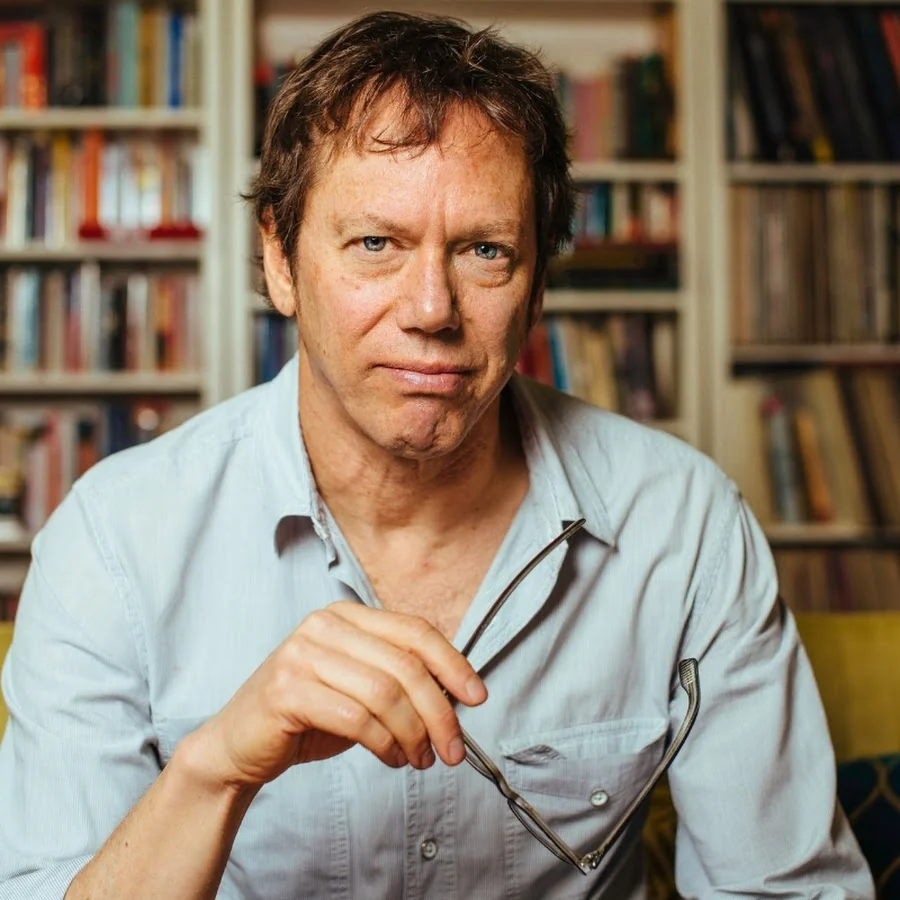
Mastery by Robert Greene reveals how to unlock your full potential through deliberate practice, lifelong learning, and discipline.
I may earn a commission if you make a purchase, at no additional cost to you.

Step 7: Let the market be your guide
The ultimate test of your value isn’t how you feel about your work. It’s whether people will pay for it.
Derek Sivers taught Cal Newport what he calls “the law of financial viability“: if people won’t pay you for it, you haven’t created enough value yet.
if people won’t pay you for it, you haven’t created enough value yet.
Derek Sivers
Money is the most honest feedback mechanism. It cuts through subjective opinions and tells you objectively whether your skills are valuable.
When I was developing my virtual summit expertise, I didn’t just assume it was valuable. I tested it in the market:
- Would people pay to attend?
- Would speakers invest their time?
- Would speakers and partners promote the event?
- Would sponsors invest their money?
The market’s response was clear: yes, yes, yes and yes.
That validation gave me confidence to double down on developing those skills further.
Action steps
- Identify a way to test your current skills in the market
- Create a small offering that requires people to pay you
- Use the market response to guide your next skill development focus
- Be willing to pivot if the market doesn’t value what you’re offering
The market doesn’t care about your intentions or your effort.
It cares about the value you create.
Let that harsh reality guide your growth.
Step 8: Define your anti-goals
Just as important as what you do is what you deliberately choose not to do.
Most people dilute their focus by saying yes to everything. Masters become great by saying no to almost everything.
Warren Buffett said:
The difference between successful people and very successful people is that very successful people say no to almost everything.
Anti-goals are the things you actively avoid — the distractions, temptations, and low-value activities that would prevent you from developing rare and valuable skills.
My anti-goals include:
- No meetings before noon (protects deep work time)
- No social media during work sessions
- No projects that don’t leverage my core skills
- No low-budget clients who don’t value expertise
These boundaries have protected my ability to focus on what truly matters.
Action steps:
- Identify your 3-5 biggest distractions and time-wasters
- Create firm boundaries to eliminate these from your life
- Define what types of work or clients you will no longer accept
- Share your anti-goals with someone who will hold you accountable
What you consistently say no to shapes your life more than what you say yes to.
Choose your nos wisely.
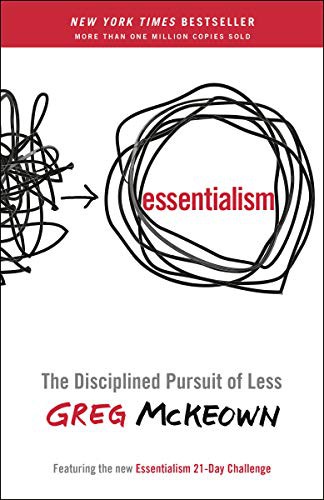
Essentialism
by Greg McKeown
Essentialism by Greg McKeown teaches how to eliminate distractions, say no to the nonessential, and channel all your energy into the few things that truly matter.
I may earn a commission if you make a purchase, at no additional cost to you.
Step 9: Transform mastery into mission
Most people try to find their mission before they’ve developed any real expertise. This approach almost always fails.
Cal Newport’s research reveals something counterintuitive: meaningful missions often become visible only after you’ve reached the cutting edge of your field.
When I reached a certain level of mastery with virtual summits, I could see opportunities and needs that were invisible to me before. My mission of helping entrepreneurs build audiences through virtual events emerged naturally from this expertise.
Robert Greene told me:
You need to get pretty good, if not exceptionally good, at a particular field or set of skills before you’ll be able to identify a compelling mission.
Robert Greene
To discover your mission:
- Focus on getting good first – Build expertise before worrying about your “calling”
- Explore the adjacent possible – Look for innovative opportunities at the edge of your expertise
- Test small mission-driven projects – Use “little bets” to explore potential directions
- Follow the evidence – Let market feedback guide your mission refinement
Action steps
- Identify three areas at the cutting edge of your field where your skills could create unique value
- Start a small project in one of these areas to test its resonance and potential
- Look for problems only someone with your unique skill combination can solve
- Pay attention to what naturally excites you as your skills develop
Your mission isn’t something you find through contemplation alone.
It emerges through mastery and is validated through action.
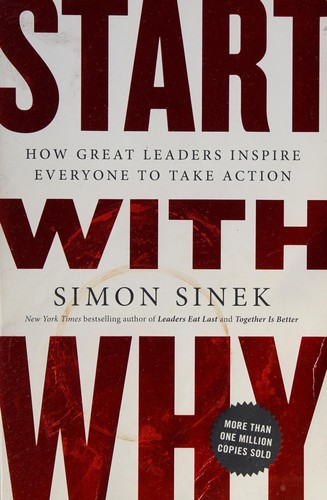
Start with Why

by Simon Sinek
Start With Why by Simon Sinek explains how great leaders and brands inspire action by defining their core purpose and leading with 'why' instead of.
I may earn a commission if you make a purchase, at no additional cost to you.
Step 10: Position yourself as undeniable
In a crowded marketplace, being good isn’t enough. You must be remarkable — worthy of being remarked upon.
Cal Newport calls this the “Law of Remarkability.” It’s not just about skill; it’s about applying that skill in a way that stands out.
Three ways to become remarkable:
- Do something different: Create a unique approach or perspective
- Do something first: Pioneer a new technique or solution
- Do something better: Take existing concepts to unprecedented levels
When I positioned myself as the world’s leading virtual summit expert, I didn’t just host summits — I developed a comprehensive system, documented my results, and taught others to replicate my success.
This remarkability wasn’t about self-promotion. It came from genuine expertise and results that spoke for themselves.
Robert Greene emphasized to me:
Your problem is that by the time you’re 35, you’re replaceable unless you have something that makes you different from others — a set of skills that makes it so nobody can replace you.
Robert Greene
Action steps
- Define your remarkable positioning based on your unique skill combination
- Document your process, results, and insights in a way others can learn from
- Create content that demonstrates your unique approach and expertise
- Build a platform that showcases your remarkable results
Average is invisible. Remarkable is undeniable.
Choose to be the latter in everything you do.
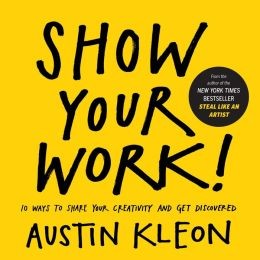
Show Your Work!

by Austin Kleon
Show Your Work by Austin Kleon teaches how to share your creative process, build an audience, and get noticed without self-promotion.
I may earn a commission if you make a purchase, at no additional cost to you.
The Undeniable OS™ action plan
Ready to be so good they can’t ignore you?
This action plan breaks down exactly how to implement each step of The Undeniable OS™ over the next 90 days.
Week 1-2: Foundation building
- Complete the Craftsman Mindset Assessment (identify what valuable skills you can develop)
- Implement a time-tracking system for 14 consecutive days
- Schedule your first three deep work sessions (90 minutes each)
- Define your first deliberate practice challenge
Week 3-4: Skill development initiation
- Analyze your time tracking data and eliminate low-value activities
- Increase deep work sessions to 5 per week
- Select your first new skill to stack with your existing abilities
- Create feedback mechanisms for your deliberate practice
Week 5-8: Career capital acceleration
- Start documenting your skill improvements with tangible metrics
- Test your skills in the market with a small paid offering
- Draft your anti-goals list and share it with an accountability partner
- Begin researching the cutting edge of your field for mission opportunities
Week 9-12: Positioning for remarkability
- Develop your first “remarkable” project that showcases your best skills
- Create documentation of your process and results
- Refine your positioning statement based on your unique skill stack
- Launch your work publicly with clear metrics for success
The maintenance system (ongoing)
- Bi-annual mission refinement
- Weekly review of deep work hours and skill development progress
- Monthly assessment of career capital growth
- Quarterly remarkability project planning
Accelerate your mastery with AI: The undeniable advantage
In your journey to be so good they can’t ignore you, AI can be your secret weapon for accelerated skill development.
I’ve developed three powerful prompts that work with ChatGPT, Claude, or any modern AI assistant.
These prompts are specifically designed to complement the Undeniable OS™ and help you implement the principles in this guide.
How to use these prompts:
- Copy the entire prompt (including all instructions and structure)
- Paste it into your preferred AI tool (ChatGPT, Claude, etc.)
- Replace the [BRACKETED TEXT] with your specific details
- Use the AI-generated outputs to accelerate your implementation
The Skill Mastery Accelerator Prompt
I’m following Navid Moazzez’s Undeniable OS™. Help me develop exceptional skills in [YOUR FIELD].
Please analyze this field and provide:
1. Skill value assessment: - Identify the 5 most valuable skills in this field, ranked by: - Market demand (how sought-after is this skill?) - Rarity (how few people possess this skill at an elite level?) - Leverage potential (how much value can this skill create?) 2. Mastery roadmap: For each skill, provide: - Beginner level: What does competence look like? - Intermediate level: What does proficiency look like? - Advanced level: What does mastery look like? - Elite level: What makes someone world-class? 3. Deliberate practice plan: For my primary focus skill [SPECIFIC SKILL]: - Break it into 3-5 sub-components - Design 3 specific daily practice exercises (30-60 minutes each) - Suggest clear metrics to track improvement - Identify potential mentors or examples to study 4. Feedback systems: How can I: - Get immediate feedback on my performance? - Measure my progress objectively? - Identify blind spots in my development?
Focus on concrete, actionable advice rather than general principles. The goal is to develop skills so valuable they can’t be ignored.
The Deep Work Protocol Generator
Help me design a personalized Deep Work protocol to master [SPECIFIC SKILL] based on Cal Newport’s methodology.
Please create a comprehensive system including:
1. Environment design: - Physical workspace optimization (specific setup recommendations) - Digital environment configuration (tools, blocks, notifications) - Sensory considerations (sound, light, temperature, comfort) 2. Time optimization: - Analyze when my energy and focus are typically highest - Create a weekly Deep Work schedule with specific time blocks - Design buffer zones before/after deep work sessions 3. Focus ritual: - Pre-session routine to prime my mind (5-10 minutes) - Mid-session maintenance techniques - Session closing protocol 4. Distraction defense: - Internal distractions (mind wandering, self-doubt, boredom) - External distractions (people, devices, environment) - Preemptive strategies vs. reactive techniques 5. Measurement system: - How to track deep work hours - How to evaluate deep work quality - How to identify improvement opportunities
Make all recommendations specific to [MY CURRENT SITUATION/CONSTRAINTS]. Focus on practical implementation rather than theory.
The Perfect Day Designer
I’m using Navid Moazzez’s Undeniable OS™ to design my ideal freedom lifestyle. Help me create a detailed blueprint for my perfect day that aligns with becoming exceptional in [YOUR FIELD].
Please help me design:
1. Morning mastery routine: - An energizing morning sequence that optimizes my physical and mental state - How to incorporate skill development into my morning - Rituals that create momentum for the entire day 2. Deep work blocks: - Optimal timing based on my natural energy patterns - Environmental setup for maximum focus - Transition rituals between different types of work 3. Freedom pillars integration – How to incorporate elements of all 7 freedom pillars: - Financial Freedom - Time Freedom - Location Freedom - Mental Freedom - Physical Freedom - Creative Freedom - Social Freedom 4. Lifestyle design elements: - Location considerations (where I’d be working/living) - Movement and physical activity integration - Social connection and relationship nurturing - Recovery and renewal practices 5. Evening reflection system: - How to evaluate daily progress - Questions for meaningful daily reflection - Setting up for tomorrow’s success
My current situation: [DESCRIBE YOUR CURRENT WORK, LOCATION, CONSTRAINTS] My bigger vision: [DESCRIBE WHERE YOU WANT TO BE IN 3-5 YEARS]
Focus on creating a day that balances exceptional skill development with genuine lifestyle freedom.
By combining the timeless principles of becoming so good they can’t ignore you with cutting-edge AI tools, you create an unstoppable advantage.
The discipline is still yours. The execution is still yours. But the strategic insights and frameworks can be enhanced through these digital thinking partners.
AI won’t replace skilled people.
But skilled people who leverage AI will replace those who don’t.
Essential resources for mastering your craft
To accelerate your journey toward being so good they can’t ignore you, here are some of my favorite books, top creator tools and other resources I personally use and recommend:
Must-read books
So Good They Can't Ignore You
by Cal Newport
So Good They Can't Ignore You by Cal Newport challenges the idea of 'follow your passion.
I may earn a commission if you make a purchase, at no additional cost to you.
Deep Work
by Cal Newport
Deep Work by Cal Newport teaches how to focus without distraction, master your craft, and produce high-quality work in less time.
I may earn a commission if you make a purchase, at no additional cost to you.
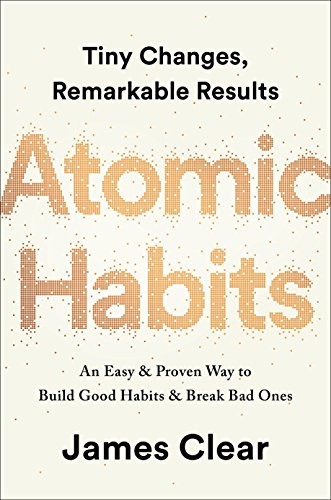
Atomic Habits
by James Clear
Atomic Habits by James Clear breaks down the science of tiny daily habits, showing how small consistent changes compound into extraordinary results over time.
I may earn a commission if you make a purchase, at no additional cost to you.
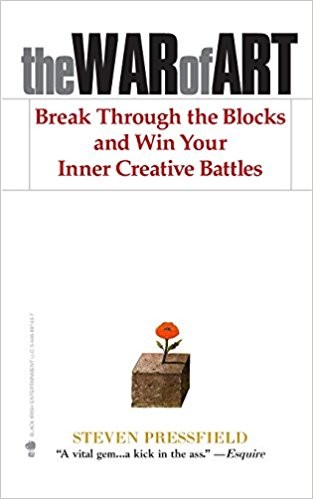
The War of Art
by Steven Pressfield
The War of Art by Steven Pressfield reveals how to overcome resistance and do creative work.
I may earn a commission if you make a purchase, at no additional cost to you.
Learning platforms
Productivity tools
- Freedom – Block distracting websites during deep work sessions
- RescueTime – Track how you spend your time and optimize for deep work
- Pomodoro Technique Apps – Structure your work into focused intervals
Remember: Tools amplify your skills — they don’t replace them. Invest in learning the fundamentals first, then use these resources to accelerate your growth.
The tools don’t make the craftsman, but the right tools in skilled hands can create wonders.
FAQs about So Good They Can’t Ignore You
Got questions about implementing this approach? Here are answers to the most common questions I receive about becoming exceptional at what you do.
Being so good they can’t ignore you means developing skills so valuable that you become undeniable in your field. It’s about creating work of such high quality that opportunities come to you, rather than you chasing them. It’s not about seeking attention—it’s about being worthy of attention through exceptional skill.
The conventional wisdom says “find your passion, then pursue it.” This approach flips that: develop valuable skills first, and passion will naturally follow as you gain mastery. Rather than waiting to feel passionate before diving deep, this approach advocates diving deep to develop passion. It’s about action creating motivation, not motivation creating action.
Ikigai emerges at the intersection of what you love, what you’re good at, what the world needs, and what you can be paid for. While many focus first on “what you love,” this approach emphasizes building “what you’re good at” first. As you develop valuable skills, the other elements of Ikigai — including passion — naturally emerge and align.
No. While natural inclinations exist, deliberate practice has been proven more important than innate talent. The key is identifying skills that align with your strengths, then developing them systematically. The “talent” we often see in others is usually the result of thousands of hours of deliberate practice we didn’t witness.
It depends on your field and starting point, but meaningful progress typically requires at least 1-2 years of deliberate practice. The good news is that as your skills improve, so does your passion and motivation. I started seeing real traction with my virtual summit expertise after about 18 months of focused work.
Start with what Cal Newport calls “career capital research.” Analyze your field to identify which skills are truly valued and in demand. Then select skills that:
-> 1. Have real market value -> 2. You can reasonably excel at -> 3. Allow flexibility for future growth.
Don’t worry about finding your “one true calling” — just start building valuable skills in an area that interests you.
Excellence doesn’t require sacrificing everything else. It requires clarity and focus. One of my core values is that my business should fuel my life, not consume it.
The goal is to build systems that allow both high performance and personal fulfillment. I’ve built my business while traveling to over 50 countries and maintaining my health and relationships.
Next steps: Your path to becoming undeniable
Being so good they can’t ignore you isn’t about overnight success or finding some hidden passion. It’s about the daily discipline of getting 1% better, focusing on what truly matters, and creating exceptional value.
This approach transformed my life — from a law school dropout to a successful entrepreneur who’s built multiple businesses and helped thousands of others do the same.
The path to excellence isn’t always easy, but it’s infinitely more reliable than waiting for passion to strike or opportunities to appear.
Don’t follow your passion. Build your skills. Let passion follow you.
Which of these 10 steps resonates most with you right now?
Are you ready to shift from the passion mindset to the craftsman mindset? What skill could you start deliberately practicing today that would make you more valuable tomorrow?
Remember: Success isn’t random. It’s built through discipline, systems, and execution… one day at a time.
Navid Moazzez
AI business strategist & AI OS builder
Navid Moazzez helps creators and founders master AI and build their own AI Operating System (AI OS) to automate their business and life.
Navid.me is reader-supported. When you buy through links on this site, I may earn an affiliate commission. Learn more.
Similar articles

What is mental freedom? How to take back your attention

50+ self-discipline examples & routines for success in 2026

Cómo ser más aventurero en la vida (guía 2026)

How to write a letter to your future self (with examples)

What is Ikigai and how to use it to find your purpose

52 lecciones de vida de 40 años que cambiaron mi vida

31 life-changing books you’ll wish you read sooner

10 books that changed my life forever

La constancia es la clave del éxito: cómo ser más constante

How to get anything you want in life (ultimate guide)

The 5 daily non-negotiables that drive my success

Hi, my name is Navid.
Related free tools


 X
X Bluesky
 LinkedIn
 Threads

 Mastodon
 Instagram
 TikTok
 Pinterest
 YouTube

 Free AI newsletter
The most actionable AI newsletter for founders
Every week, get proven AI strategies, curated tools, and step-by-step systems to grow your audience, create better content, and build a profitable creator business.
No fluff, no filler, no BS. Just five minutes each week that might level up your online business and life.
P.S. Sign up now to get free access to my ultimate AI tools guide for creators.