

Articles on influencer marketing and partnerships
How to find, reach and partner with influencers, with the method that got me yeses from Pat Flynn, Robert Greene's team and John Lee Dumas.
Browse articles



Borrow audiences, build relationships
Relationships with influencers are behind my summits, my interviews and my partnerships.
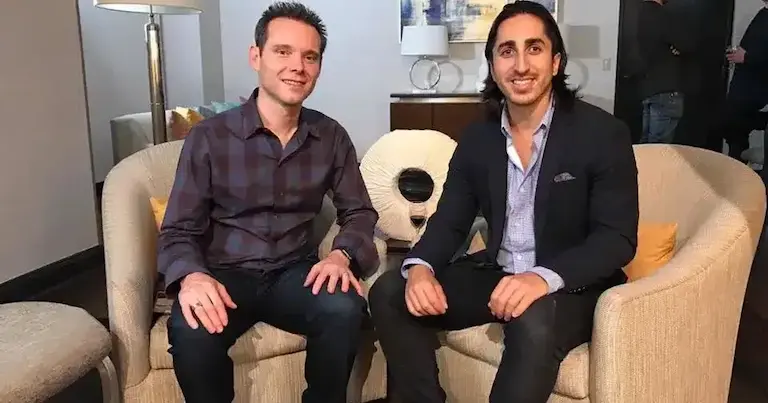
My very first outreach email went to Pat Flynn, in June 2013. He said yes the same day, and I started with zero connections.
Here's how to find the right influencers, reach out and build partnerships that last. Start with how to reach out to influencers.
Every article on influencer marketing
No articles found. Try a different category.
FAQs about influencer marketing


Influencer marketing is working with influential people who already have a personal brand to reach and engage your ideal customers.
Instead of using a channel to market, you’re using people.
People rarely buy just because they've heard of a brand.
They want social proof first, and influencers are trusted sources, so a recommendation from them works like a third-party review.
No.
They often work together, but social media marketing uses a channel.
Influencer marketing uses people, and their audiences trust them.
A micro-influencer is someone who has a smaller following, usually between 1,000 to 100,000 followers, but often has a highly engaged audience.
Yes.
In the US, the FTC has rules for how influencer marketing is disclosed.
They’re mostly about transparency, and following them is your responsibility.
You can identify influencers by searching podcasts in your niche, checking who speaks at industry conferences, looking at virtual summit lineups, researching top blogs, and seeing who writes for major publications in your space.
Focus on engagement rate over follower count.
Look at how many people actually comment and interact with their content.
Also check if their audience matches your ideal customers and if they promote other brands regularly.
Look for sudden spikes in follower growth, low engagement relative to follower count, generic comments like “nice post,” and followers with no profile pictures or weird usernames.
Tools like HypeAuditor, Modash, Influencer Hero, and GRIN offer free fake follower checkers that analyze follower quality and engagement authenticity.
Add value first, then send a short email: a specific compliment, what's in it for them, and one clear ask.
Follow up about once a week if you don't hear back.
A few lines, no essay.
My invite to summit speakers today is about 90 words.
I follow up about once a week.
When a speaker has said yes but hasn’t booked a time yet, I send up to 4 follow-ups, each a little more direct than the last, before I move on.
Be polite, and add value in each follow-up instead of just asking again.
Thank them for their time and ask if you can stay in touch for future opportunities.
Keep building the relationship by supporting their work.
A no today might become a yes later.
Yes, the free influencer outreach email generator writes the email, 3 subject lines and a follow-up, and checks them before you send.
The most common are affiliate partnerships, summit speaker partnerships, joint webinars, launch partnerships, content swaps, sponsorships and brand ambassador deals.
Most creator partnerships use affiliate commissions or a revenue share, so you pay when it works.
Flat fees, content swaps and free products are also common.
Yes.
Smaller creators with engaged, aligned audiences are often the best partners, and they're easier to reach.
No.
I started with zero connections.
Offer something they value, like exposure to your audience, content they can reuse, or affiliate income.
My first outreach email went to Pat Flynn, in June 2013, and he said yes the same day.
Since then, speakers like Eric Siu, Matt Wolfe, Stu McLaren, Julia McCoy and Ryan Levesque have been part of my AI Creator Summit.
 Free AI newsletter
The most actionable AI newsletter for founders
Every week, get proven AI strategies, curated tools, and step-by-step systems to grow your audience, create better content, and build a profitable creator business.
No fluff, no filler, no BS. Just five minutes each week that might level up your online business and life.
P.S. Sign up now to get free access to my ultimate AI tools guide for creators.
