

A free habit loop worksheet that maps your habit's trigger, behavior and payoff, plans one change and checks in with you for 7 days.
Metti questo strumento sul tuo sito
Incolla il codice in qualsiasi pagina: WordPress, Webflow, Squarespace, Ghost o HTML semplice. È gratis con il credito sotto, che rimanda a navid.me.
This free habit loop worksheet helps you break a bad habit by mapping its loop: what sets it off, what you do and what you really get from it.
You plan one change in a single sentence, run it for 7 days and tick off each day, with a reminder in your calendar.
Here's what a habit loop is, how to fill in the worksheet, and how to make the change last.
 TL;DR
TL;DRKey takeaways
What is a habit loop worksheet?
A habit loop worksheet is a page where you break a habit into its parts, so you can change one part instead of fighting the whole thing with willpower.
The loop has 3 parts: a trigger that sets it off, the behavior you do, and the payoff you get. This worksheet adds a fourth, the cost, so you remember why you're changing it.
The 4 parts of a habit loop
Trigger
The time, place, people or feeling that sets the habit off
Behavior
What you do, every time, without thinking
Payoff
What you really get from it, which is often not what you think
Cost
What the habit takes from you, so you remember why you're changing it
How to use the habit loop worksheet
The loop turns in 3D beside the worksheet with your own words on it, so you can see the habit you're changing.
A habit loop example: the afternoon cookie
The best-known example comes from Charles Duhigg, who wrote The Power of Habit. Every afternoon he went to the cafeteria, bought a chocolate chip cookie and ate it while chatting with friends.
His cue was roughly 3:30 in the afternoon. Through experimenting, he found it wasn't really the cookie he craved, but "a moment of distraction and the opportunity to socialize."
So he wrote a plan:
At 3:30, every day, I will walk to a friend's desk and talk for 10 minutes.
He set an alarm on his watch for 3:30. It didn't work right away, but within a few weeks it ran almost without thinking. His whole method is in his reader's guide to changing habits.
Press Try an example to see his habit in the worksheet.
Why change only 1 thing at a time?
If you change the trigger, the setting and the reward all at once, you won't know which one worked.
One change for 7 days tells you something real, and the next week you can keep it or try another.
Habit loop vs habit stacking
The habit loop breaks a habit you have. Habit stacking builds a new one by tying it to a habit you already do.
To build a habit instead, use my habit stacking template. It's the same worksheet, opened on the build side.
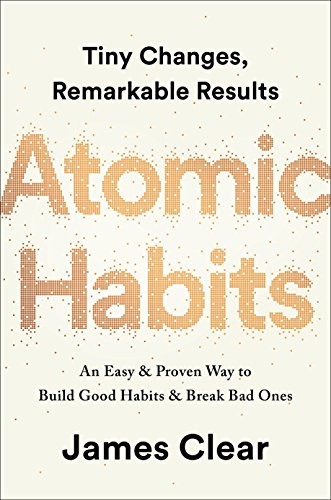
James Clear explains both in Atomic Habits:
Atomic Habits

by James Clear
Atomic Habits by James Clear breaks down the science of tiny daily habits, showing how small consistent changes compound into extraordinary results over time.
I may earn a commission if you make a purchase, at no additional cost to you.
Who is the habit loop worksheet for?
The habit loop worksheet is for anyone with one habit they keep promising to stop, and it works well with my other tools:
- Habit stacking template – for building a new habit after you break the old one
- Pomodoro timer – for anyone whose habit is putting work off
- Morning routine generator – for building a morning around the habits you want
- Core values finder – for knowing why the change matters to you
Your habit stays in your browser. There's no account, and nothing is sent anywhere.
Break your habit with your AI
Run the habit loop prompts in





FAQs about the habit loop worksheet
Questions about breaking a habit? Here's what to know.
A habit loop worksheet helps you break a habit into its trigger, behavior and payoff.
Then you change one part instead of relying on willpower.
A trigger that sets the habit off, the behavior you do, and the payoff you get.
Charles Duhigg calls them the cue, the routine and the reward.
Yes.
It's free, with no account, and your habit stays in your browser.
Try a different behavior that gives a different reward, and notice if the craving goes away.
Duhigg found his cookie habit was really about a break and talking to friends.
It depends on the habit and the person.
This worksheet runs one experiment for 7 days, so you learn what works before you plan the next week.
Yes.
Download it as a PDF or a page, or as habit.md for your notes.
The habit loop breaks a habit you have.
Habit stacking builds a new habit by doing it right after one you already do.
Yes.
The worksheet downloads a calendar file with a daily reminder at your planned time for 7 days.
I did.
I'm Navid Moazzez, and I made the habit loop worksheet as one of my free tools on navid.me.
More about me.
Navid Moazzez
AI business strategist & AI OS builder
Navid Moazzez helps creators and founders master AI and build their own AI Operating System (AI OS) to automate their business and life.
Navid.me is reader-supported. When you buy through links on this site, I may earn an affiliate commission. Learn more.
Altri strumenti gratuiti


 X
X Bluesky
 LinkedIn
 Threads

 Mastodon
 Instagram
 TikTok
 Pinterest
Server MCP e CLI correlati


 Substack


 Apple Podcasts
 Newsletter IA gratuita
La newsletter IA più pratica per i founder
Ogni settimana, strategie IA collaudate, strumenti selezionati e sistemi passo dopo passo per far crescere il tuo pubblico, creare contenuti migliori e costruire un business da creator redditizio.
Niente fronzoli, niente riempitivi, niente fuffa. Solo cinque minuti a settimana che possono portare il tuo business online e la tua vita al livello successivo.
P.S. Iscriviti ora per avere accesso gratuito alla mia guida definitiva agli strumenti IA per creator.