


Think and Grow Rich by Napoleon Hill: Book Summary, Review & Notes
An in-depth summary of Think and Grow Rich by Napoleon Hill, with the 13 steps to riches, the Master Mind, real quotes and how it compares to similar books.
I may earn a commission if you make a purchase, at no additional cost to you.
 by Navid Moazzez·Updated Sept 29, 2026·5 min read·Navid.me is reader-supported. When you buy through links on this site, I may earn an affiliate commission. Learn more.




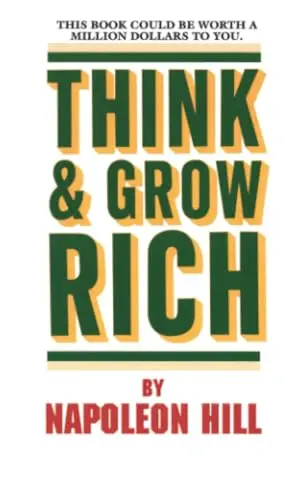
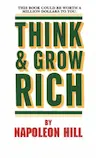
This is an in-depth book summary, notes and highlights of Think and Grow Rich by Napoleon Hill. Published in 1937 by The Ralston Society, it is still in print in many editions, and 70 years later BusinessWeek ranked it the sixth best-selling paperback business book.
Think and Grow Rich in 3 sentences
- Think and Grow Rich argues that riches begin with a state of mind: a definite, burning desire for a specific goal.
- Hill breaks his method into 13 steps, from desire, faith and auto-suggestion to organized planning, persistence and the Master Mind.
- He presents it as a philosophy drawn from more than 500 successful men, a claim that has never been independently confirmed.
Key takeaways
- Start with a definite desire. Hill tells readers to fix the exact amount of money they want, the date they want it by and what they will give in return.
- Write it down and read it aloud twice a day, once before sleep and once after waking, and picture yourself already in possession of it.
- Auto-suggestion is the bridge. Instructions you repeat to yourself with feeling reach the subconscious mind, which Hill says acts on them.
- Specialized knowledge beats general knowledge. An educated person, in Hill's sense, knows how to get the knowledge they need when they need it.
- Treat defeat as feedback on the plan. Rebuild the plan and keep the goal, and reach decisions quickly instead of waiting on other people's opinions.
- Persistence decides most outcomes. The story of R. U. Darby's uncle, who stopped drilling 3 feet from a vein of gold, runs through the book.
- Build a Master Mind, a small group that works in harmony toward a definite purpose and shares its knowledge and effort.
- Name your fears to beat them. Hill lists 6 basic fears: poverty, criticism, ill health, loss of love, old age and death.
Who should read Think and Grow Rich
- People early in their career who want a first book on goals and mindset. The 6 steps for turning desire into money are easy to try.
- Salespeople and founders who hear no often. The chapters on persistence and temporary defeat are written for them.
- Anyone setting up a mastermind group. Hill's Master Mind chapter is where the idea comes from.
- Readers curious about the history of self-help. Many later books on goals and belief borrow from it.
- People who learn from stories. Most chapters are built on anecdotes about Edison, Ford and lesser-known strivers.
- Readers who like a daily ritual. The book asks you to write your goal and read it aloud every morning and night.
Who might not enjoy it
- Readers who want evidence. Hill's accounts of Andrew Carnegie and the 500 men he studied have never been documented, and the chapters on sex transmutation and the sixth sense read as pseudoscience today.
- People looking for money skills. The book says little about budgeting, saving, investing or taxes.
Popular quotes from Think and Grow Rich
Truly, "thoughts are things," and powerful things at that, when they are mixed with definiteness of purpose, persistence, and a burning desire for their translation into riches, or other material objects.
The opening line of the book and its central claim.
There is a difference between wishing for a thing and being ready to receive it. No one is ready for a thing, until he believes he can acquire it.
Belief, not hope, is what Hill says turns a wish into action.
The starting point of all achievement is desire. Keep this constantly in mind. Weak desires bring weak results, just as a small amount of fire makes a small amount of heat.
Why Hill treats the strength of a desire as the first thing to work on.
When defeat comes, accept it as a signal that your plans are not sound, rebuild those plans, and set sail once more toward your coveted goal.
Defeat is a verdict on the plan, not on the goal.
"Opinions" are the cheapest commodities on earth. Everyone has a flock of opinions ready to be wished upon anyone who will accept them.
His warning against making decisions by committee.
An educated man is not, necessarily, one who has an abundance of general or specialized knowledge.
For Hill, education means knowing how to find what you need.
Put your foot upon the neck of the fear of criticism by reaching a decision not to worry about what other people think, do, or say.
His cure for the fear that stops most people from starting.
How Think and Grow Rich compares to similar books
How to Win Friends and Influence People by Dale Carnegie
Carnegie's rules for handling people, making friends and persuading others. Published in 1936, a year before Hill's book, and built on everyday stories. It is more practical about relationships and does not treat wealth as the goal.
The Law of Success by Napoleon Hill
Hill's first version of his success philosophy, taught as 16 lessons. Published in 1928 and much longer. Think and Grow Rich condenses the same ideas into 13 steps for a general reader.
The Magic of Thinking Big by David J. Schwartz
Belief in yourself and thinking big, with exercises for confidence and goals. Published in 1959 by a business professor. It covers similar ground in plainer language, without Hill's claims about the subconscious and the sixth sense.
The Power of Positive Thinking by Norman Vincent Peale
Positive thinking rooted in Christian faith and prayer. Published in 1952 by a New York minister. It aims at confidence and peace of mind rather than money.
The Secret by Rhonda Byrne
The law of attraction, the idea that thoughts draw matching events. Published in 2006 alongside a film of the same name. It takes Hill's "thoughts are things" further and drops his stress on plans, persistence and giving value in return.
Rich Dad Poor Dad by Robert T. Kiyosaki
Money lessons told through 2 father figures, focused on assets, liabilities and financial literacy. Published in 1997. It is more concrete about money itself, where Hill focuses on the mindset behind earning it.
About Napoleon Hill
Napoleon Hill was born in 1883 in Pound, Virginia, and died in 1970. He published The Law of Success in 1928 and Think and Grow Rich in 1937. His book Outwitting the Devil, written in 1938, was not published until 2011.
Hill said his work began with a 1908 assignment to interview Andrew Carnegie, who asked him to spend 20 years studying successful people. No record of that meeting has been found, and Carnegie biographer David Nasaw said he found no evidence the 2 men ever met.
FAQs about Think and Grow Rich
The questions people most often ask about Think and Grow Rich by Napoleon Hill.
Think and Grow Rich is a 1937 book by Napoleon Hill about turning a definite desire into money. It sets out 13 steps to riches, from desire and faith to persistence and the Master Mind. Its core claim is that riches begin with a state of mind.
Napoleon Hill was an American self-help author, born in 1883 in Pound, Virginia, who died in 1970. He published The Law of Success in 1928 and Think and Grow Rich in 1937. Many of his biographical claims, including his work with Andrew Carnegie, have never been verified.
Desire, faith, auto-suggestion, specialized knowledge, imagination, organized planning, decision, persistence, the power of the Master Mind, the mystery of sex transmutation, the subconscious mind, the brain and the sixth sense. A final chapter covers how to outwit the 6 ghosts of fear.
Hill defines it as the coordination of knowledge and effort, in a spirit of harmony, between 2 or more people, for the attainment of a definite purpose. In practice it is a small group that meets to share ideas and hold each other to their goals. Today's mastermind groups take their name from it.
Fix the exact amount you want. Decide what you will give in return. Set a definite date. Make a plan and start at once, ready or not. Write all of this in a clear statement, then read it aloud twice a day, once before sleep and once after waking.
It comes from Hill's story of R. U. Darby and his uncle, who lost a vein of gold in Colorado and sold their machinery to a junk man. The junk man hired a mining engineer, who found the vein 3 feet from where they had stopped drilling. Hill uses it to show the cost of quitting at the first defeat.
Hill said Carnegie commissioned his research in 1908, but no record of a meeting has been found. Carnegie biographer David Nasaw said he found no evidence that the 2 men ever met. Treat the Carnegie story as Hill's framing rather than documented history.
The fear of poverty, criticism, ill health, loss of love, old age and death. Hill lists them in order of how often they appear, with poverty first. He says each one can be overcome by a decision.
Auto-suggestion is Hill's term for any suggestion you give yourself that reaches the subconscious mind. In practice it means reading your written goal aloud, with feeling, every day. It is the third of his 13 steps.
It is Hill's tenth step, which he describes as switching the mind from thoughts of physical expression to thoughts of some other nature. He argues that the drive behind sexual desire can be redirected into creative and business work. Modern readers usually treat the chapter as dated.
No. Hill says the book draws on more than 500 successful men, but there is no record of that research. It is a motivational philosophy built on stories, and parts of it, like the sixth sense, read as pseudoscience today.
The book was first published in 1937 and has been reprinted in many editions. A 2005 Tarcher edition was revised and expanded by Arthur R. Pell with newer examples. Editions sold as the original 1937 text keep Hill's own words.
The Ballantine paperback runs 256 pages. The book has 15 chapters: an introduction, 1 chapter for each of the 13 steps and a closing chapter on the 6 ghosts of fear.
The Law of Success, published in 1928, presents Hill's philosophy as 16 lessons and is much longer. Think and Grow Rich condenses the ideas into 13 steps for a general reader. It is the shorter and far better known of the 2.

Navid Moazzez
AI business strategist & AI OS builder
Navid Moazzez helps creators and founders master AI and build their own AI Operating System (AI OS) to automate their business and life.

Navid.me is reader-supported. When you buy through links on this site, I may earn an affiliate commission. Read the affiliate disclaimer.
On this page
More books like this

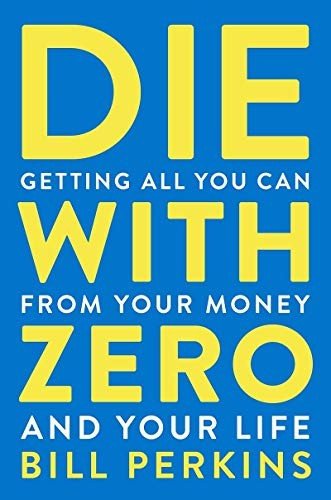
Die With Zero
Die With Zero by Bill Perkins challenges traditional saving habits and teaches how to optimize the balance between time, money, and experiences before it is too late.
Categories
We earn a commission if you make a purchase, at no additional cost to you.
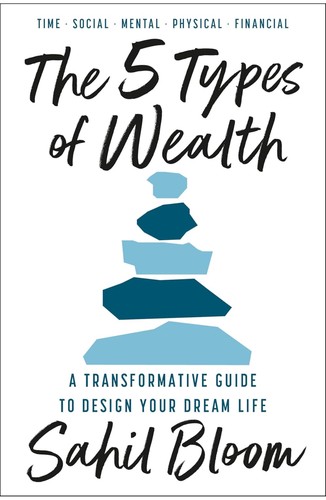
The 5 Types of Wealth
 by Sahil Bloom
The 5 Types of Wealth by Sahil Bloom explores how true wealth goes beyond money, helping you build a rich life in every sense.
Categories
We earn a commission if you make a purchase, at no additional cost to you.
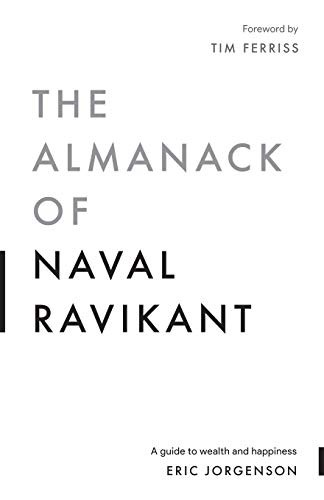
The Almanack of Naval Ravikant
 by Eric Jorgenson
The Almanack of Naval Ravikant by Eric Jorgenson distills insights on wealth, happiness.
Categories
We earn a commission if you make a purchase, at no additional cost to you.
10% Happier
 by Dan Harris
A skeptic's guide to meditation that actually works. Covers practical mindfulness techniques for reducing anxiety, improving focus, and staying calm under pressure.
Categories
We earn a commission if you make a purchase, at no additional cost to you.
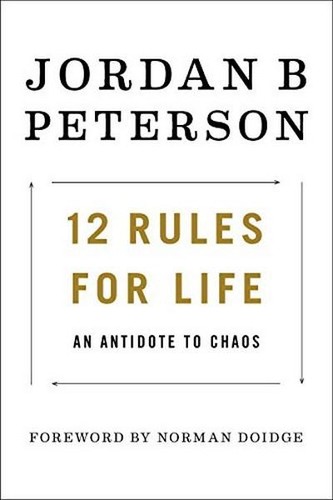
12 Rules for Life
 by Jordan Peterson
Twelve practical principles for building a more meaningful and disciplined life. Covers personal responsibility, honesty, and finding order in the chaos of modern existence.
Categories
We earn a commission if you make a purchase, at no additional cost to you.
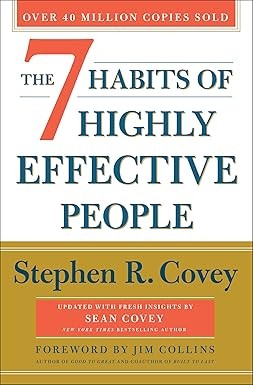
 Navid’s pick
The 7 Habits of Highly Effective People
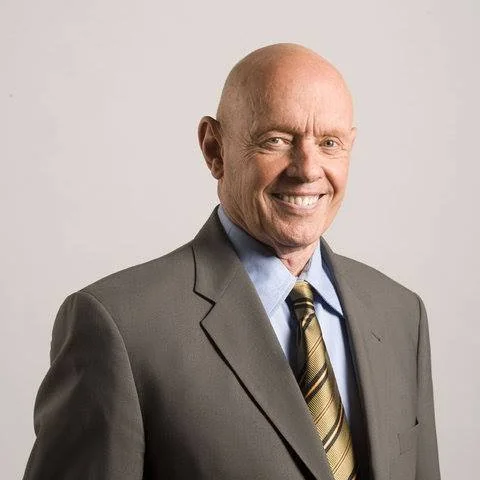 by Stephen Covey
Seven foundational principles for personal and professional effectiveness. Covers proactive thinking, prioritization, empathetic listening, and continuous self-renewal.
Categories
We earn a commission if you make a purchase, at no additional cost to you.

Anything You Want
 by Derek Sivers
Short, unconventional lessons from building and selling a $22M company. Covers why staying small, keeping things simple, and following your curiosity leads to better businesses.
Categories
We earn a commission if you make a purchase, at no additional cost to you.
More free tools


Related MCP servers & CLIs

 Bluesky
 Substack
 Threads
 Mastodon
 TikTok


 Apple Podcasts
 Free AI newsletter
The most actionable AI newsletter for founders
Every week, get proven AI strategies, curated tools, and step-by-step systems to grow your audience, create better content, and build a profitable creator business.
No fluff, no filler, no BS. Just five minutes each week that might level up your online business and life.
P.S. Sign up now to get free access to my ultimate AI tools guide for creators.