



Free Eisenhower Matrix Template (+ Guide)





A free Eisenhower matrix template that sorts your to-do list by urgent and important, then turns it into a week you can start.
0.0(0 ratings) by Navid Moazzez·Updated Oct 3, 2026·3 min read·Navid.me is reader-supported. When you buy through links on this site, I may earn an affiliate commission. Learn more.
This free Eisenhower matrix template sorts your to-do list with two questions, urgent? and important?, into four boxes: do now, schedule, delegate and drop.
Paste your list, drag each task into a box or sort them one card at a time, then give your scheduled tasks a time and start on the first one.
It runs in your browser, and nothing you type is sent anywhere unless you ask the AI.
TL;DRKey takeaways
What is the Eisenhower matrix?
The Eisenhower matrix is a 2 by 2 grid that sorts tasks by how urgent and how important they are. Each task lands in one of four boxes:
- Urgent?
- Yes
- Important?
- Yes
- What to do
- Do it today
- Urgent?
- No
- Important?
- Yes
- What to do
- Give it a time in your calendar
- Urgent?
- Yes
- Important?
- No
- What to do
- Hand it off, or do it fast
- Urgent?
- No
- Important?
- No
- What to do
- Stop doing it
It's named after Dwight D. Eisenhower, who told an audience in Evanston, Illinois, in 1954: "I have two kinds of problems, the urgent and the important. The urgent are not important, and the important are never urgent." He was quoting a former college president.
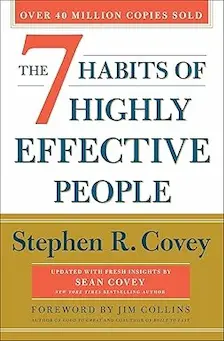
Stephen Covey turned the idea into the four quadrants in The 7 Habits of Highly Effective People. His point: most of us live in "urgent", when the life we want gets built in "important, not urgent".
The 7 Habits of Highly Effective People
by Stephen Covey
Seven foundational principles for personal and professional effectiveness. Covers proactive thinking, prioritization, empathetic listening, and continuous self-renewal.
I may earn a commission if you make a purchase, at no additional cost to you.
How to use the Eisenhower matrix template
- Paste your to-do list, one task per line. Bullets and checkboxes are fine.
- Sort each task: drag it into a box, or answer the two questions one card at a time.
- Long list? Sort it on a calm full-screen scene with music.
- Give each scheduled task a day and a time, and each delegated one a name.
- Start the first task in a deep work session, and add the rest to your calendar.
Prioritize like Tim Ferriss
The "drop" box is the one most lists leave empty. Tim Ferriss's not-to-do list from 2007 fills it: nine habits he stopped, like "Do not agree to meetings or calls with no clear agenda or end time" and "Do not work more to fix overwhelm — prioritize". Open it in the tool to see a full "drop" box.
How your list is checked
- More than five tasks in "do now"? If everything is urgent, nothing is.
- Nothing in "schedule"? That's where the future gets built.
- A long list with nothing dropped? Ask what would happen if you never did one.
- Delegated tasks need a name, and scheduled ones a day.
Who is the Eisenhower matrix for?
It's for anyone whose list is longer than their day:
- Eisenhower matrix template – founders, creators, students, managers
- Deep work timer – for the first task in "do now"
- Decision matrix template – when one choice is blocking the list
- Free AI life coach – to talk through what you keep putting off
Sort once a week, and the urgent stops running your days.
Plan your week


FAQs about the Eisenhower matrix
Questions about the eisenhower matrix template? Here's what to know.
It's a 2 by 2 grid that sorts tasks by urgent and important into four boxes: do now, schedule, delegate and drop.
It's named after Dwight D. Eisenhower.
Do now is urgent and important, schedule is important but not urgent, delegate is urgent but not important, and drop is neither.
Urgent means it has a real deadline soon.
Important means it moves one of your goals forward.
Not as a grid.
In a 1954 speech he quoted a former college president on urgent and important problems, and Stephen Covey later turned the idea into four quadrants.
Yes.
On a phone you sort one card at a time, with two taps per task.
Yes, it stays in your browser.
It's only sent anywhere when you press an AI button.
I did.
I'm Navid Moazzez, and I made the Eisenhower matrix template as one of my free tools on navid.me.
More about me.

Navid Moazzez
AI business strategist & AI OS builder
Navid Moazzez helps creators and founders master AI and build their own AI Operating System (AI OS) to automate their business and life.

Navid.me is reader-supported. When you buy through links on this site, I may earn an affiliate commission. Read the affiliate disclaimer.
More free tools


Related MCP servers & CLIs

 Bluesky
 Substack
 Threads
 Mastodon
 TikTok


 Apple Podcasts
 Free AI newsletter
The most actionable AI newsletter for founders
Every week, get proven AI strategies, curated tools, and step-by-step systems to grow your audience, create better content, and build a profitable creator business.
No fluff, no filler, no BS. Just five minutes each week that might level up your online business and life.
P.S. Sign up now to get free access to my ultimate AI tools guide for creators.
