



Free Sit to Stand Test (+ How to Score It)





A free sit to stand test that scores you 0 to 10 the way the study does, with a safety check first.
0.0(0 ratings) by Navid Moazzez·Updated Sept 30, 2026·2 min read·Navid.me is reader-supported. When you buy through links on this site, I may earn an affiliate commission. Learn more.
This free sit to stand test scores how easily you sit down on the floor and stand back up, from 0 to 10, the way the study does. The one-leg stand sits beside it.
It starts with a safety check, and your score stays in your browser.
TL;DRKey takeaways
What is the sit to stand test?
The sit to stand test, or sitting-rising test, scores how easily you sit down on the floor and stand back up, using as little support as you can.
It checks your strength, balance, flexibility and coordination at once, with no equipment.
How to do it and score it
5 points are for sitting down and 5 for standing up.
What your score means
In 4,282 people aged 46 to 75, followed for about 12 years, the lowest scores had 5 to 6 times the risk of death of a perfect 10.
That's a link, not a cause, and the people were in Brazil. A higher score is still a clear thing to train for, and it's one of the 10 tests in Kelly Starrett's Built to Move.
The one-leg stand beside it
Stand on one leg for 10 seconds, eyes open, next to a counter. In 1,702 people aged 51 to 75, those who couldn't hold it had an 84% higher risk of death over about 7 years.
Who should skip it Skip the floor test if you have joint, back or balance problems, or you've had a fall in the last year. Do it next to a chair, and stop if anything hurts.
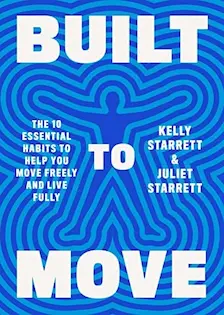
Built to Move

Built to Move by Kelly and Juliet Starrett gives you 10 simple tests and daily habits, like getting down to the floor and back up, to keep moving freely as you age.
I may earn a commission if you make a purchase, at no additional cost to you.
What to do with your score
Retest every 4 weeks, on the same floor. Then take the full longevity test for the other tests and your plan, and see your fitness line with the fitness age calculator.
Build your Longevity OS with your AI
Take your plan further in


Sit to stand test FAQs
Questions about the sit to stand test? Here's what to know.
The sit to stand test scores how easily you sit down on the floor and stand back up, from 0 to 10.
In a 2025 study, higher scores went with fewer deaths.
Start at 10.
Take off 1 point for each hand, knee or forearm you lean on, and half a point if you lose your balance.
Skip it with joint, back or balance problems, or after a fall in the last year.
Do it next to a chair, and stop if anything hurts.
I did.
I'm Navid Moazzez, and I made the sit to stand test as one of my free tools on navid.me, from my own Longevity OS routine.
Read more about me.

Navid Moazzez
AI business strategist & AI OS builder
Navid Moazzez helps creators and founders master AI and build their own AI Operating System (AI OS) to automate their business and life.

Navid.me is reader-supported. When you buy through links on this site, I may earn an affiliate commission. Read the affiliate disclaimer.
More free tools


Related MCP servers & CLIs

 Bluesky
 Substack
 Threads
 Mastodon
 TikTok


 Apple Podcasts
 Free AI newsletter
The most actionable AI newsletter for founders
Every week, get proven AI strategies, curated tools, and step-by-step systems to grow your audience, create better content, and build a profitable creator business.
No fluff, no filler, no BS. Just five minutes each week that might level up your online business and life.
P.S. Sign up now to get free access to my ultimate AI tools guide for creators.
