



Free Pace of Aging Calculator (+ How to Test)





A free pace of aging calculator that compares your biological age across your own blood tests, in years per calendar year.
0.0(0 ratings) by Navid Moazzez·Updated Sept 30, 2026·3 min read·Navid.me is reader-supported. When you buy through links on this site, I may earn an affiliate commission. Learn more.
This free pace of aging calculator shows how many biological years you age per calendar year, from two or more of your own blood tests. Each test gets its biological age with Phenotypic Age, and the calculator compares your first and last.
Your blood tests stay in your browser, and your plan file keeps them for next time.
Here's what pace of aging is, how it differs from DunedinPACE, how to test for it, and how to read yours.
TL;DRKey takeaways
What is pace of aging?
Pace of aging is how fast your body ages against the calendar. A pace of 1.0 means one biological year for every calendar year.
Under 1 means you're aging slower than the calendar. Over 1 means faster.
Where the idea comes from
Daniel Belsky and colleagues followed 954 people in New Zealand's Dunedin Study, tracking many biomarkers across their 20s and 30s. People of the same age aged at different speeds.
Before midlife, the faster agers were already less physically able, showed cognitive decline, rated their health worse and looked older.
Pace of aging vs DunedinPACE
- What it takes
- Two or more standard blood tests, months apart
- What it gives you
- Phenotypic Age on each test, and the change per year
- What it takes
- One DNA methylation test from a lab
- What it gives you
- Pace of aging from one sample (Belsky et al. 2022)
DunedinPACE was built from 19 measures of organ health across two decades of the Dunedin Study. Bryan Johnson's Rejuvenation Olympics ranks people by it.
This calculator is Phenotypic Age compared over time. It's a different measure, from tests you can get at any lab.
How to test for it
A year between tests is better than 3 months. Take each test the same way: fasting, at the same time of day.
How to read your pace
Each test's biological age uses your age on the day of that test. Your pace is the change in biological age, divided by the years between your first and last test.
A single test can move with a cold, a hard workout or a bad night. Look at the direction over several tests, not one number.
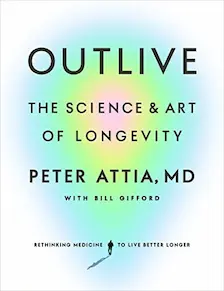
Outlive

Outlive by Dr. Peter Attia breaks down the most effective strategies for long-term health and performance, covering exercise, nutrition, sleep, and emotional wellbeing to add years to your life.
I may earn a commission if you make a purchase, at no additional cost to you.
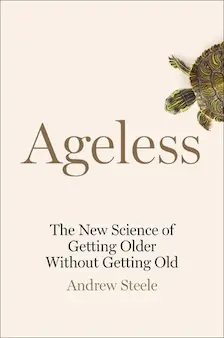
Ageless

Ageless by Dr. Andrew Steele explains the new science of aging, from why our cells wear out to the treatments that could slow it.
I may earn a commission if you make a purchase, at no additional cost to you.
Keep going
Start with the biological age calculator for one test, plan what you want at 90 with the centenarian decathlon planner, and take the full longevity test.
Build your Longevity OS with your AI
Take your plan further in


Pace of aging calculator FAQs
Questions about the pace of aging calculator? Here's what to know.
It works out how many biological years you age per calendar year, from two or more blood tests.
This one uses Phenotypic Age on each test, then the change between your first and last.
1.0 means you're aging with the calendar.
Under 1 means slower, and over 1 means faster.
No.
DunedinPACE is a DNA methylation test from a lab.
This is Phenotypic Age from standard blood tests, compared over time.
At least 3 months, and a year is better.
Take each test the same way, fasting and at the same time of day.
No.
Your results stay in this browser, and nothing is sent to my server.
Your plan file is yours to keep.
I did.
I'm Navid Moazzez, and I made the pace of aging calculator as one of my free tools on navid.me, from my own Longevity OS routine.
Read more about me.

Navid Moazzez
AI business strategist & AI OS builder
Navid Moazzez helps creators and founders master AI and build their own AI Operating System (AI OS) to automate their business and life.

Navid.me is reader-supported. When you buy through links on this site, I may earn an affiliate commission. Read the affiliate disclaimer.
Related calculators


More free tools


Related MCP servers & CLIs

 Bluesky
 Substack
 Threads
 Mastodon
 TikTok


 Apple Podcasts
 Free AI newsletter
The most actionable AI newsletter for founders
Every week, get proven AI strategies, curated tools, and step-by-step systems to grow your audience, create better content, and build a profitable creator business.
No fluff, no filler, no BS. Just five minutes each week that might level up your online business and life.
P.S. Sign up now to get free access to my ultimate AI tools guide for creators.
