

6 best audio for creators
The microphones I record with, wireless and wired. If you buy one thing on this site, buy from this category first.
Find the video gear I use and recommend, by type, budget and what you film. Navid's picks come first, and each one opens its own page.


This is a list of the best audio for creators.
In fact, it has 6 picks, with the gear I use myself first.
So if you want gear that earns its place in your setup, you'll love this list.
The microphones I record with, wireless and wired. If you buy one thing on this site, buy from this category first.
Here's what's inside:
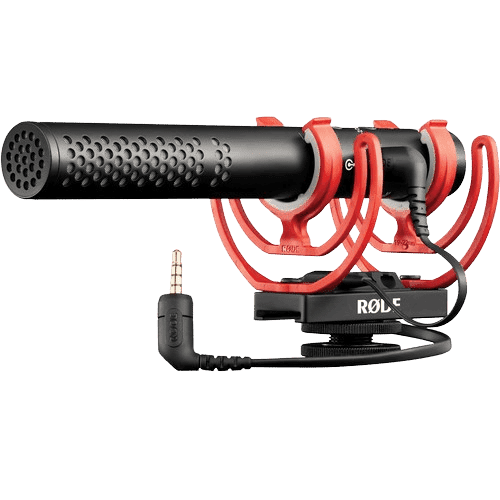
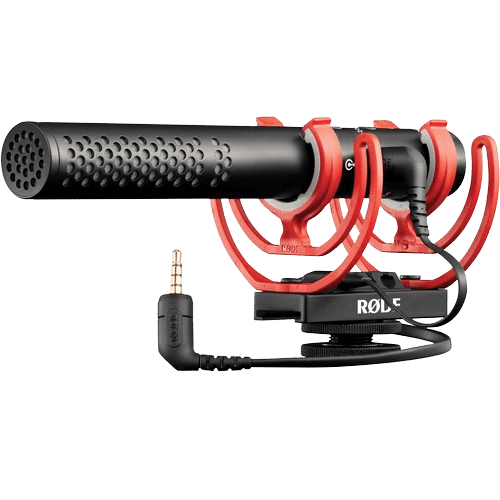
- Rode VideoMic NTG
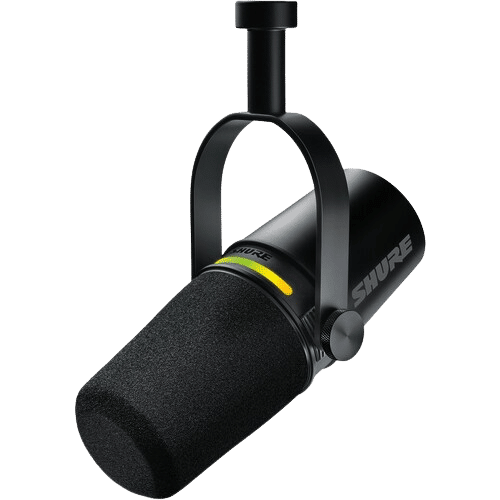
- Shure MV7+ Podcast XLR/USB Microphone
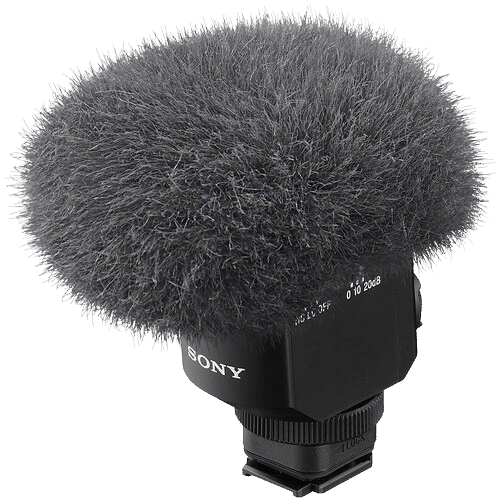
- Sony Digital Shotgun Microphone ECM-M1
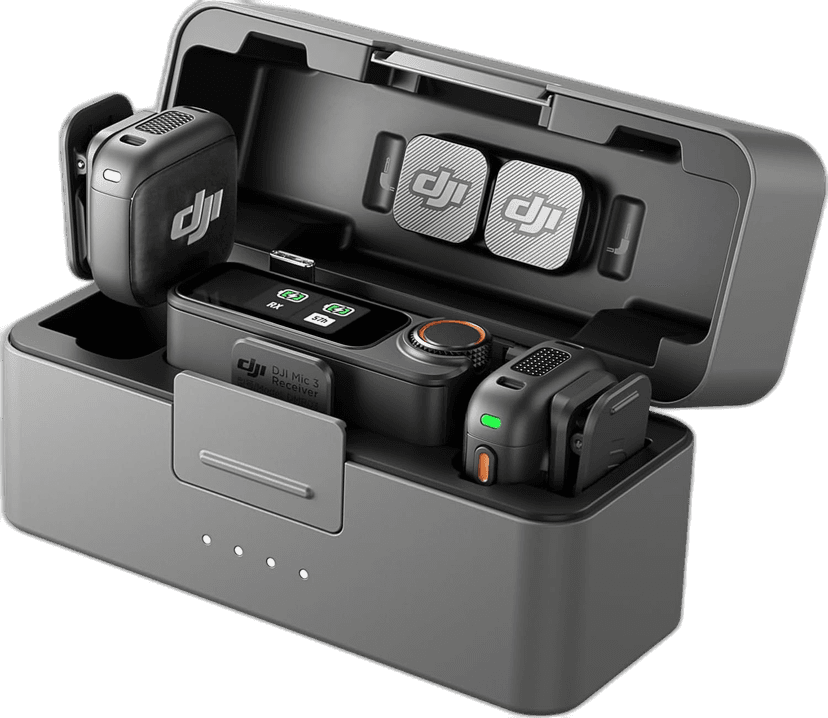
- DJI Mic 3 Combo (2 TX + 1 RX + Charging Case)
- DJI Mic Mini (2 TX + 1 RX + Charging Case)
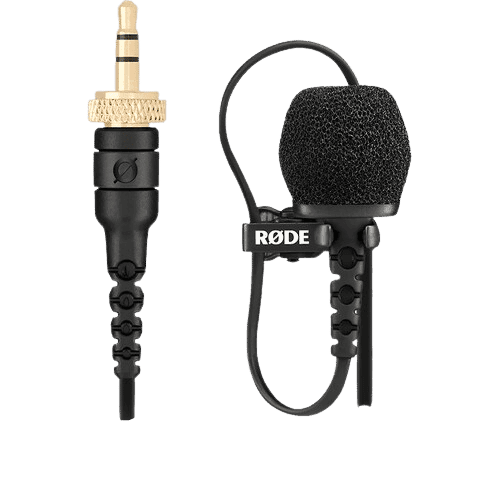
- RODE Lavalier II Omnidirectional Lavalier Microphone
Each one comes with its type, its budget and what you'd film with it. I may earn a commission if you buy through my links, at no extra cost to you.
The best audio at a glance
Here's every pick, with its type and budget.
 Rode VideoMic NTG
- Type
- Audio
- Budget
- Mid-range
 Shure MV7+ Podcast XLR/USB Microphone
- Type
- Audio
- Budget
- Mid-range
 Sony Digital Shotgun Microphone ECM-M1
- Type
- Audio
- Budget
- Mid-range
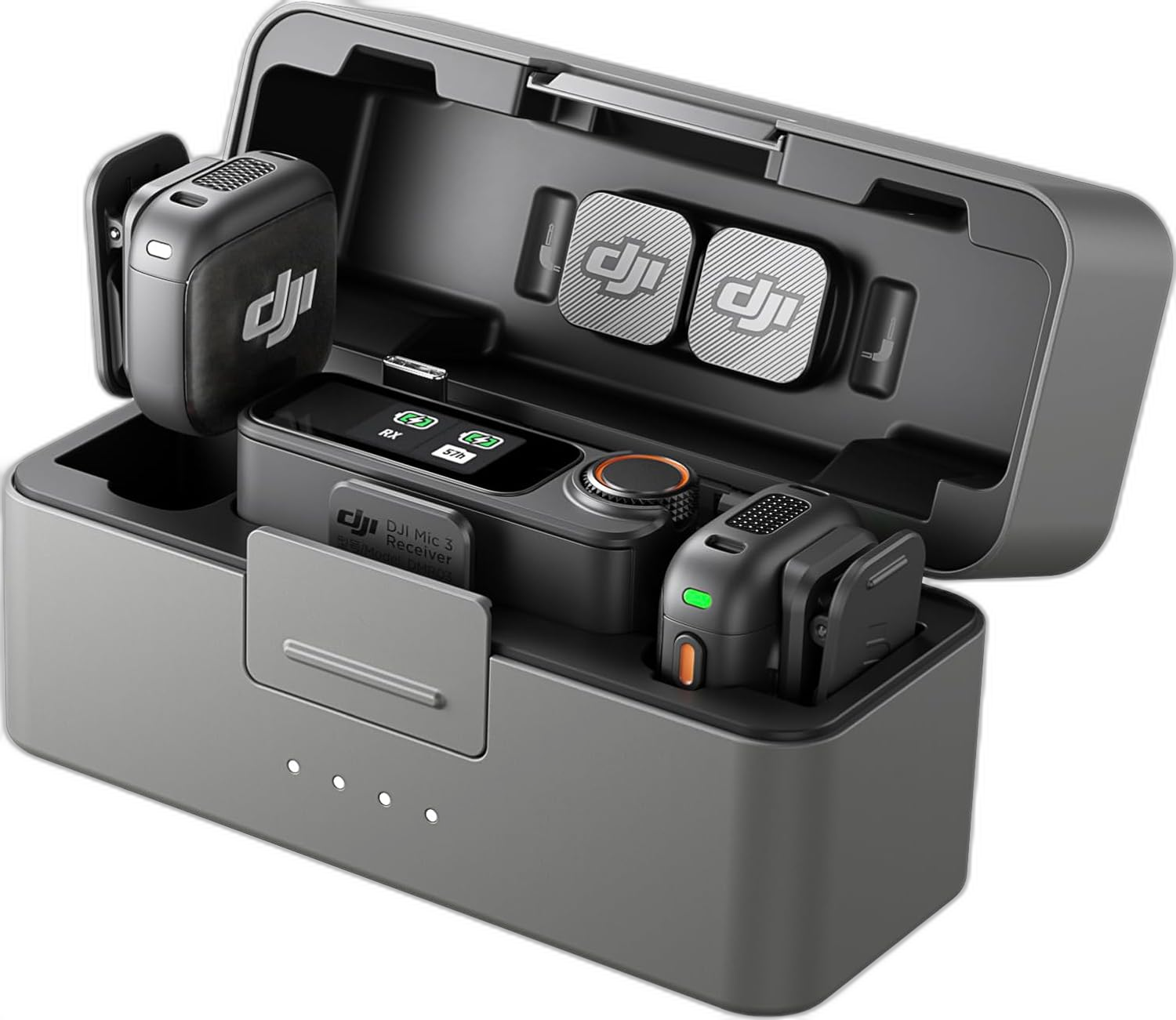 DJI Mic 3 Combo (2 TX + 1 RX + Charging Case)
- Type
- Audio
- Budget
- Mid-range
 DJI Mic Mini (2 TX + 1 RX + Charging Case)
- Type
- Audio
- Budget
- Budget
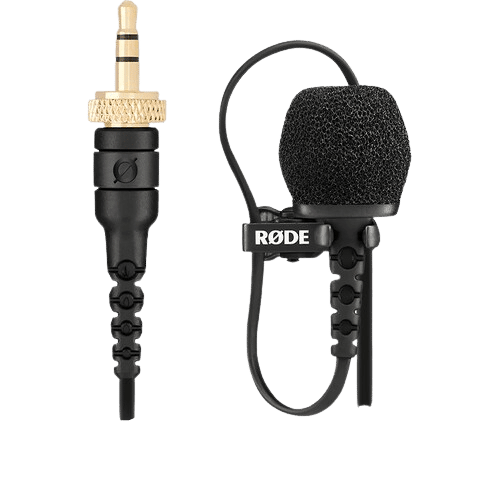 RODE Lavalier II Omnidirectional Lavalier Microphone
- Type
- Audio
- Budget
- Budget
The 6 best audio, ranked
1. Rode VideoMic NTG
Versatile microphone for creators. I alternate between this and the Shure MV7+. Crisp, professional sound for YouTube and podcasts.
Type: Audio
Budget: Mid-range
Made for: YouTube, Podcasting, Studio
Rating: 4.7
See Rode VideoMic NTG on Amazon · More about Rode VideoMic NTG
2. Shure MV7+ Podcast XLR/USB Microphone
Best microphone for content creators. My main desk mic for podcasts and virtual summits. XLR and USB, works for any setup.
Type: Audio
Budget: Mid-range
Made for: Podcasting, YouTube, Studio
Rating: 4.7
See Shure MV7+ Podcast XLR/USB Microphone on Amazon · More about Shure MV7+ Podcast XLR/USB Microphone
3. Sony Digital Shotgun Microphone ECM-M1
Shotgun microphone for Sony cameras. My on-camera shotgun mic for the a6700. Clean audio with multiple recording patterns.
Type: Audio
Budget: Mid-range
Made for: YouTube, Studio
Rating: 4.7
See Sony Digital Shotgun Microphone ECM-M1 on Amazon · More about Sony Digital Shotgun Microphone ECM-M1
4. DJI Mic 3 Combo (2 TX + 1 RX + Charging Case)
Best wireless mic system for creators. My go-to wireless mic. Crystal clear audio, tiny size, dead simple to use.
Type: Audio
Budget: Mid-range
Made for: YouTube, Travel, Podcasting
Rating: 4.8
See DJI Mic 3 Combo (2 TX + 1 RX + Charging Case) on Amazon · More about DJI Mic 3 Combo (2 TX + 1 RX + Charging Case)
5. DJI Mic Mini (2 TX + 1 RX + Charging Case)
Best compact wireless mic system. Same clean audio as the DJI Mic 2, but even smaller. Great budget option for a streamlined wireless setup.
Type: Audio
Budget: Budget
Made for: YouTube, Travel
Rating: 4.7
See DJI Mic Mini (2 TX + 1 RX + Charging Case) on Amazon · More about DJI Mic Mini (2 TX + 1 RX + Charging Case)
6. RODE Lavalier II Omnidirectional Lavalier Microphone
Discreet professional lav mic. A solid backup lav mic I keep in my kit. Compact and reliable when I need discreet audio.
Type: Audio
Budget: Budget
Made for: YouTube, Podcasting
Rating: 4.5
See RODE Lavalier II Omnidirectional Lavalier Microphone on Amazon · More about RODE Lavalier II Omnidirectional Lavalier Microphone
FAQs about audio
The questions people ask most about audio.
A wireless one. The DJI Mic 3 Combo at $349 is my go to and the piece I use most days.
Two transmitters, one receiver and a charging case, so you can record yourself and a guest without thinking about it. Crystal clear, tiny, and simple enough that you will actually use it. If the price is too high, the DJI Mic Mini at $79 on sale does the same job with less range and fewer options.
Yes, and it is not close. People will watch a soft, grainy image with clean sound, and they will click away from a beautiful shot with echo.
A $79 DJI Mic Mini on a phone beats a $2,798 camera with the built in mic every time. If you are choosing between a camera upgrade and a microphone upgrade, buy the microphone. That is the single most reliable piece of advice on this site.
Wireless if you move, shotgun if you sit still.
A wireless lav like the DJI Mic 3 stays the same distance from your mouth wherever you walk, which is why it is my default. A shotgun like the Rode VideoMic NTG at $223 mounts on the camera and sounds more natural, with no clip visible on your shirt, but it gets quieter and roomier the further you step back.
The Shure MV7+ at $269 on sale. It is my main desk mic for podcasts and virtual summits.
It runs over both XLR and USB, so it works plugged straight into a laptop today and into a proper interface later without buying a second mic. That flexibility is why I rate it 4.7 and why it stays on my desk. I put it on the Zoom TPS-4 stand at $17.99 when I travel with it.
Not to start. USB is fine, and the Shure MV7+ does both so the decision is reversible.
An interface buys you cleaner preamps, multiple mics into one recording and proper gain control, which matters when you record two people in a room. For one person talking into one microphone, USB gets you within a hair of the same result for none of the money and none of the setup.
The room, not the microphone. Hard walls, bare floors and a mic too far from your mouth.
Moving the microphone closer fixes more echo than any gear purchase, which is one more reason to prefer a lav on your shirt over a shotgun across the room. After that, add soft things: a rug, curtains, a sofa, a bookshelf. Nobody has ever fixed a bad room by buying a better mic.
The Sony ECM-M1 at $388, which mounts to the multi interface shoe and sends audio digitally with no cable at all.
I use it on my Sony bodies and it gives me clean sound with several selectable pickup patterns. If you are not on Sony, or you want something that works across every camera you will ever own, the Rode VideoMic NTG at $223 is the more portable choice.
Once you film anything you cannot reshoot, yes.
I keep the RODE Lavalier II at $100 on sale in my kit for exactly that. It is discreet, reliable and cheap enough that having a spare is not a real decision. Wireless systems fail in ways wired ones do not: dead batteries, dropouts, interference in a crowded room. The backup costs less than reshooting one interview.
Only if you have a reason. Modern wireless systems record to the transmitter as a safety track, which gets you the benefit without the sync work.
Separate recorders made sense when camera preamps were poor. Now the honest answer for most creators is that syncing two files in post costs you more time each week than it saves you once a year when something goes wrong.
Two, one on each person. Do not share a mic between two people who are sitting apart.
The DJI Mic 3 Combo ships with two transmitters and one receiver for exactly this, which is why I recommend the combo rather than a single channel kit. Recording two voices into one microphone means one of them is always too quiet, and there is nothing you can do about it afterwards.
Use it as a sync reference and nothing else.
Every camera on this site has one, and every one of them sounds like it was recorded from across the room, because it was. It picks up lens motors, handling noise and the whole room. Keep it recording so you can line up your real audio track in the edit, then mute it.
More than feels reasonable, and it still will not be much.
My audio category runs from $79 to $388, which is less than one lens. The three mics I use constantly are the DJI Mic 3 at $349, the Shure MV7+ at $269 and the Rode VideoMic NTG at $223. Spending $350 on sound will change your videos more than spending $2,000 on a camera body.
Final thoughts on audio
The best gear is the gear you'll actually use. Start with sound and light, then upgrade the camera once your setup holds you back.

Navid Moazzez
AI business strategist & AI OS builder
Navid Moazzez helps creators and founders master AI and build their own AI Operating System (AI OS) to automate their business and life.
Navid.me is reader-supported. When you buy through links on this site, I may earn an affiliate commission. Learn more.
More video gear






More video gear topics

More free tools

 X
X
 YouTube
 Instagram
 TikTok

 LinkedIn
 Pinterest


 Spotify
 Apple Podcasts

 Bluesky
 Threads

 Mastodon


 Amazon KDP
 Apple Books
 Amazon


 Substack


Related MCP servers & CLIs


 Free AI newsletter
The most actionable AI newsletter for founders
Every week, get proven AI strategies, curated tools, and step-by-step systems to grow your audience, create better content, and build a profitable creator business.
No fluff, no filler, no BS. Just five minutes each week that might level up your online business and life.
P.S. Sign up now to get free access to my ultimate AI tools guide for creators.